
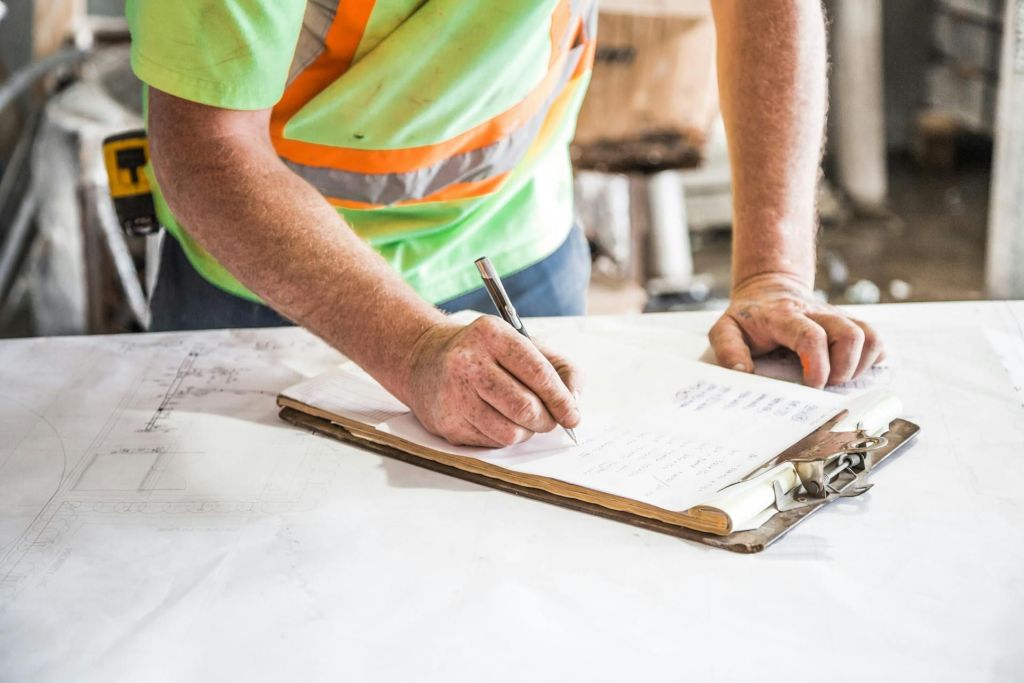
A construction project worth millions is running behind schedule.
Workers are confused. Drawings don’t match reality. Materials arrive late.
And suddenly… everything depends on one person on-site.That person is the Site Engineer.
But what exactly does a site engineer do—and why is this role so critical in construction?
Let’s break it down.
What is a Site Engineer?
A Site Engineer is a professional responsible for managing the technical and operational aspects of construction projects directly on-site.
They act as the bridge between design and reality.
While designers and consultants work in offices, site engineers ensure that everything is built correctly, safely, and efficiently in the field.
In simple terms:
A Site Engineer turns drawings into real structures
What Does a Site Engineer Actually Do?
The role is far more than just “being on-site.” A good site engineer handles multiple responsibilities at the same time:
1. Interpreting Drawings
Reads and understands technical drawings
Identifies errors before construction starts
Coordinates with design teams
2. Site Supervision
Monitors daily construction activities
Ensures work is done according to plans
Checks quality and workmanship
3. Managing Workers and Teams
Coordinates labor and subcontractors
Solves on-site problems instantly
Keeps workflow organized
4. Quality Control
Ensures materials meet specifications
Inspects ongoing work
Prevents costly mistakes
5. Safety Management
Implements safety procedures
Reduces risks and accidents
Maintains compliance with regulations
6. Planning & Progress Tracking
Tracks daily and weekly progress
Reports delays and issues
Helps keep the project on schedule
Why is a Site Engineer So Important?
Here’s the truth most people don’t realize:
A project doesn’t fail on paper. It fails on-site.
Even the best design can collapse into chaos without proper execution.
A skilled site engineer:
Prevents expensive errors
Saves time and cost
Maintains quality standards
Keeps communication flowing
In many cases, the difference between a successful project and a failed one is the competence of the site engineer.
Skills Every Site Engineer Must Have
Being a site engineer is not just about technical knowledge.
It’s about survival on the construction site.
Here are the must-have skills:
Strong understanding of construction drawings
Problem-solving ability under pressure
Communication and leadership skills
Time management
Basic knowledge of materials and methods
Practical field experience
Real insight:
Many engineers struggle not because they lack knowledge—but because they lack practical site experience.
Site Engineer vs Civil Engineer: What’s the Difference?
This is one of the most searched questions.
Civil Engineer → Broad title (design, analysis, planning)
Site Engineer → Field-based role focused on execution
Think of it like this:
Civil Engineer = Planner
Site Engineer = Executor
Most site engineers are civil engineers—but not all civil engineers work on-site.
Challenges of Being a Site Engineer
Let’s be real—this is not an easy job.
Site engineers deal with:
Long working hours
High pressure
Unexpected problems daily
Harsh site conditions
But…
This is also where real engineers are built.
Is Site Engineering a Good Career?
Absolutely—especially if you want:
Fast career growth
Real-world experience
Strong problem-solving skills
Opportunities in global construction markets
Many successful project managers, contractors, and construction business owners start as site engineers.
Final Thoughts
A Site Engineer is not just another role in construction.
It is the heartbeat of the project.
Without it, drawings remain paper…
Plans remain ideas…
And projects fail.
But with a skilled site engineer?
Structures rise. Projects succeed. Careers are built.
Rigid Academy Insight
If you want to become a successful site engineer, focus on this:
Don’t just learn engineering. Learn how construction really works on-site.
Because in the real world…
Execution beats theory. Every time.