
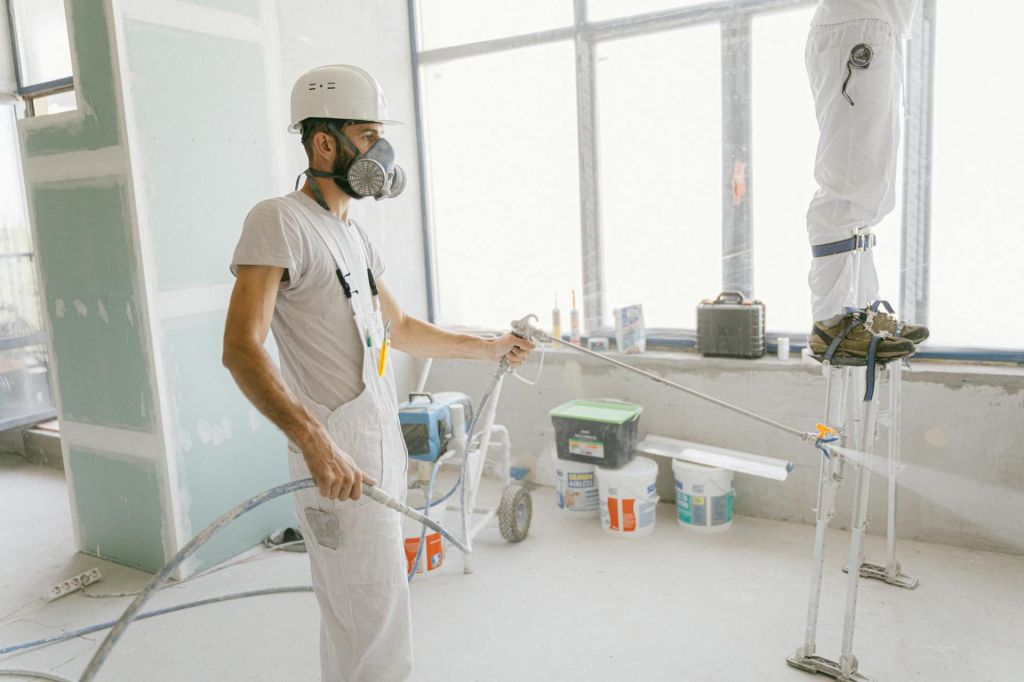
Water insulation (waterproofing) in the construction industry is essential to protect buildings from moisture damage, leaks, and structural deterioration. Here are the most common water insulation methods used in construction:
1. Membrane Waterproofing
- Bituminous Membrane: Asphalt-based sheets applied on surfaces (common in basements, roofs).
- PVC/TPO Membrane: Synthetic waterproof sheets used for flat roofs and underground structures.
- EPDM Membrane: A durable rubber membrane often used for roofing and pond liners.
2. Cementitious Waterproofing
- A cement-based coating that is easy to apply and commonly used in water tanks, basements, and bathrooms.
- Mixed with polymers for flexibility and improved performance.
3. Liquid Waterproofing
- Polyurethane Liquid Membrane: Provides a seamless, flexible coating for roofs and terraces.
- Acrylic-Based Liquid Coatings: Used in external walls and facades.
- Bituminous Coating: Offers excellent water resistance, typically applied on foundations.
4. Crystalline Waterproofing
- A chemical treatment that reacts with concrete to form crystals, blocking water pathways.
- Common in basements, tunnels, and water reservoirs.
5. Bentonite Waterproofing
- Uses sodium bentonite clay sheets or granules that swell when in contact with water, creating a waterproof barrier.
- Typically used in below-ground structures and foundations.
6. Injection Waterproofing
- Polyurethane or Epoxy Injections are used to seal cracks in concrete structures, preventing water ingress.
- Effective for repairing leaks in basements, tunnels, and underground parking.
7. Integral Waterproofing (Admixtures)
- Waterproofing agents are mixed into the concrete at the batching stage.
- Improves durability and water resistance of structures like bridges, foundations, and tunnels.
8. Drainage Systems
- French Drains & Drainage Mats: Redirect water away from the structure.
- Weeping Tiles: Used in basements to manage groundwater pressure.
Insulation According to Construction Type
Waterproofing Recommendations Based on Construction Type
Different construction types require specific waterproofing solutions to ensure durability and protection against moisture damage. Here’s a detailed breakdown:
1. Residential Buildings (Houses, Apartments, Villas)
For roofs, especially flat ones, PVC/TPO membranes, polyurethane liquid membranes, or bituminous membranes are the most effective choices due to their durability, UV resistance, and flexibility.
In bathrooms and kitchens, cementitious coatings or polyurethane liquid coatings are preferred since they offer water resistance, easy application, and cost-effectiveness.
For basements and foundations, bituminous membranes, crystalline waterproofing, and drainage systems help prevent groundwater seepage and structural damage.
On balconies and terraces, polyurethane liquid membranes or acrylic-based coatings provide seamless, UV-resistant protection.
For exterior walls, acrylic liquid coatings and cementitious waterproofing prevent damage from rain and humidity.
A combination of bituminous membrane for the foundation and a drainage system is recommended to manage groundwater effectively. For roofs, PVC/TPO membranes offer long-term performance.
2. Commercial Buildings (Office Towers, Shopping Malls, Hotels)
Flat roofs in commercial buildings require PVC/TPO membranes, EPDM membranes, or polyurethane coatings since they can withstand heavy foot traffic and environmental exposure.
For basements and underground parking, crystalline waterproofing, bituminous membranes, and drainage systems are essential to prevent leaks under high water pressure.
In bathrooms and wet areas, cementitious coatings and polyurethane liquid membranes provide strong adhesion and water resistance.
For podium slabs and terraces, polyurethane liquid membranes or bituminous membranes work best due to their seamless, flexible nature and ability to handle structural movement.
Since commercial buildings require durable and low-maintenance solutions, PVC/TPO for roofs and crystalline waterproofing for basements ensures long-term reliability.
3. Industrial Buildings (Factories, Warehouses, Power Plants, Cold Storages)
For industrial roofs, EPDM membranes, bituminous membranes, or polyurethane coatings are preferred due to their resistance to chemicals and extreme weather conditions.
Underground structures such as basements in industrial buildings benefit from crystalline waterproofing and bentonite waterproofing, which offer self-healing properties and protect against high water pressure.
For machine foundations, integral waterproofing (admixtures) and epoxy injection are used to strengthen concrete and resist cracks.
For water tanks and reservoirs, crystalline waterproofing and cementitious coatings are effective as they create a waterproof concrete structure.
Since industrial buildings face harsh environments, EPDM membranes are ideal for roofs, and integral waterproofing is best for machine foundations.
4. Infrastructure Projects (Bridges, Tunnels, Dams, Railways, Highways)
For bridges and flyovers, integral waterproofing (admixtures) and polyurethane coatings provide long-lasting protection and high load resistance.
Tunnels and subways require crystalline waterproofing and bentonite waterproofing, as these methods resist high water pressure and seal cracks effectively.
For retaining walls, bituminous coatings and drainage systems prevent water accumulation and improve structural stability.
In dams and water containment structures, crystalline waterproofing and cementitious coatings are preferred since they waterproof concrete and are highly durable in submerged conditions.
Infrastructure projects need long-lasting waterproofing solutions, so integral waterproofing combined with crystalline technology ensures structural longevity, while bentonite waterproofing is essential for tunnels and dams.
Final Recommendations Based on Project Type
For residential buildings, the best waterproofing solution includes bituminous membranes and drainage systems for basements, along with polyurethane membranes for roofs.
For commercial buildings, PVC/TPO membranes for roofs and crystalline waterproofing for basements provide long-term protection.
In industrial facilities, EPDM membranes are ideal for roofs, while integral waterproofing is the best option for machine foundations.
For infrastructure projects like bridges, tunnels, and dams, integral waterproofing and crystalline waterproofing offer the most durable and effective solutions.
 Rigid Academy-Building is an Art
good post
LikeLike