
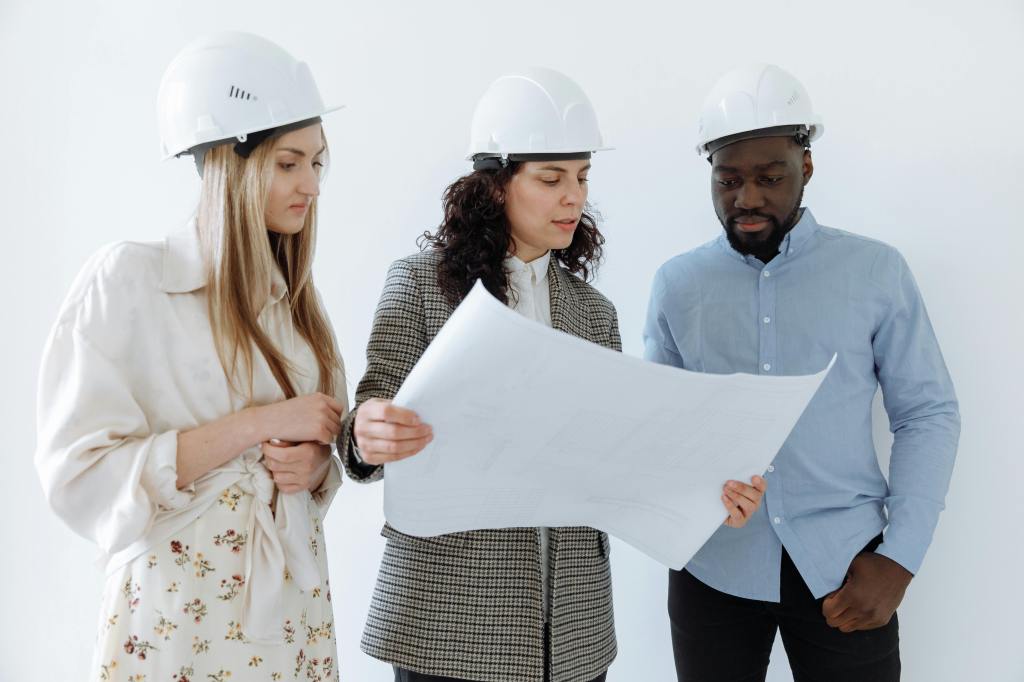
Effective planning and scheduling are the backbone of successful construction projects. Poor planning can lead to delays, cost overruns, resource conflicts, and compromised quality. In 2025, construction projects are becoming increasingly complex, with tighter deadlines, multiple stakeholders, and advanced technologies. Therefore, a step-by-step approach to planning and scheduling is essential for project managers, engineers, and contractors.
This guide provides a detailed, practical framework to plan and schedule construction projects efficiently.
1. Define Project Scope and Objectives
The first step in planning is to clearly define what the project aims to achieve.
Key actions:
- Identify the project deliverables and goals
- Clarify technical requirements and design criteria
- Engage stakeholders to align expectations
- Document assumptions, constraints, and exclusions
A well-defined scope provides a foundation for the schedule, budget, and resource allocation.
2. Develop a Work Breakdown Structure (WBS)
The WBS breaks the project into manageable components or tasks.
Steps to create a WBS:
- List all major project phases (design, procurement, construction, commissioning)
- Break down each phase into smaller tasks
- Assign codes or IDs for tracking
- Include dependencies and milestones
A comprehensive WBS helps in resource planning, progress tracking, and risk management.
3. Sequence Activities and Determine Dependencies
Not all tasks can start simultaneously. Sequencing identifies the logical order of activities.
Common dependency types:
- Finish-to-Start (FS): Task B starts after Task A finishes
- Start-to-Start (SS): Task B starts when Task A starts
- Finish-to-Finish (FF): Task B finishes when Task A finishes
- Start-to-Finish (SF): Rare, but sometimes used for shifts or handovers
Correct sequencing prevents resource conflicts and ensures smooth workflow.
4. Estimate Activity Durations
Accurate duration estimates are crucial for realistic scheduling.
Best practices:
- Use historical data from similar projects
- Consider labor productivity, weather, material availability, and equipment
- Apply three-point estimates: optimistic, most likely, and pessimistic durations
- Factor in buffers or contingency time for high-risk activities
Precise estimates reduce the risk of schedule overruns and delays.
5. Assign Resources
Resource allocation ensures that each task has the necessary workforce, equipment, and materials.
Key considerations:
- Assign skilled labor for specialized tasks
- Allocate machinery and equipment efficiently
- Plan material deliveries according to task schedule
- Balance resource load to prevent bottlenecks
Resource planning avoids idle time, over-allocation, and productivity loss.
6. Develop the Project Schedule
With tasks, durations, and resources defined, develop a detailed schedule.
Tools and techniques:
- Gantt Charts: Visual representation of tasks and timelines
- Critical Path Method (CPM): Identifies the longest sequence of dependent tasks
- Program Evaluation and Review Technique (PERT): Useful for uncertain durations
- Project Management Software: Primavera P6, MS Project, or Procore for complex projects
A detailed schedule ensures timely execution and progress monitoring.
7. Identify Milestones
Milestones mark key achievements or decision points in the project.
Examples:
- Completion of design phase
- Procurement of critical materials
- Structural completion
- System commissioning
- Final handover
Milestones provide checkpoints to evaluate progress and facilitate reporting to stakeholders.
8. Risk Identification and Mitigation Planning
Every project faces uncertainties. Early risk identification allows proactive mitigation.
Common risks:
- Weather delays
- Material shortages
- Labor unavailability
- Equipment breakdowns
- Design changes
Mitigation strategies:
- Maintain contingency buffers in schedule and budget
- Prequalify reliable suppliers and subcontractors
- Conduct safety and preventive maintenance programs
- Use flexible scheduling tools to adjust timelines dynamically
Risk management prevents surprises and keeps the project on track.
9. Monitor and Update the Schedule
A construction schedule is not static; it requires continuous monitoring:
- Track progress daily or weekly
- Compare actual vs. planned performance
- Adjust for delays, resource changes, or scope modifications
- Communicate updates to all stakeholders
- Use earned value management (EVM) to measure schedule and cost performance
Proactive monitoring ensures timely corrective actions and successful project delivery.
10. Documentation and Communication
Clear documentation and communication are critical for project coordination:
- Maintain a centralized schedule and task log
- Document approvals, changes, and delays
- Share progress reports with stakeholders regularly
- Ensure all teams have access to the latest schedule
Transparency prevents misunderstandings and keeps all teams aligned.
11. Leverage Technology for Planning and Scheduling
Modern construction planning relies heavily on digital tools:
- BIM (Building Information Modeling): Integrates design and schedule for clash detection
- Project management platforms: MS Project, Primavera P6, Procore
- Cloud-based collaboration tools: Real-time access for multiple stakeholders
- AI and predictive analytics: Forecast delays and optimize resource allocation
Technology enhances accuracy, coordination, and efficiency in complex projects.
Planning and scheduling a construction project step-by-step is crucial for timely, cost-effective, and high-quality project delivery. By defining the scope, developing a WBS, sequencing tasks, estimating durations, assigning resources, and monitoring progress, project managers can minimize delays and maximize productivity.
In 2025, leveraging digital tools, risk management, and proactive communication ensures that construction projects are completed on time, within budget, and to the highest standards.
Effective planning is not just about creating a schedule—it’s about orchestrating all project components seamlessly for success.
 Rigid Academy-Building is an Art
Leave a comment