
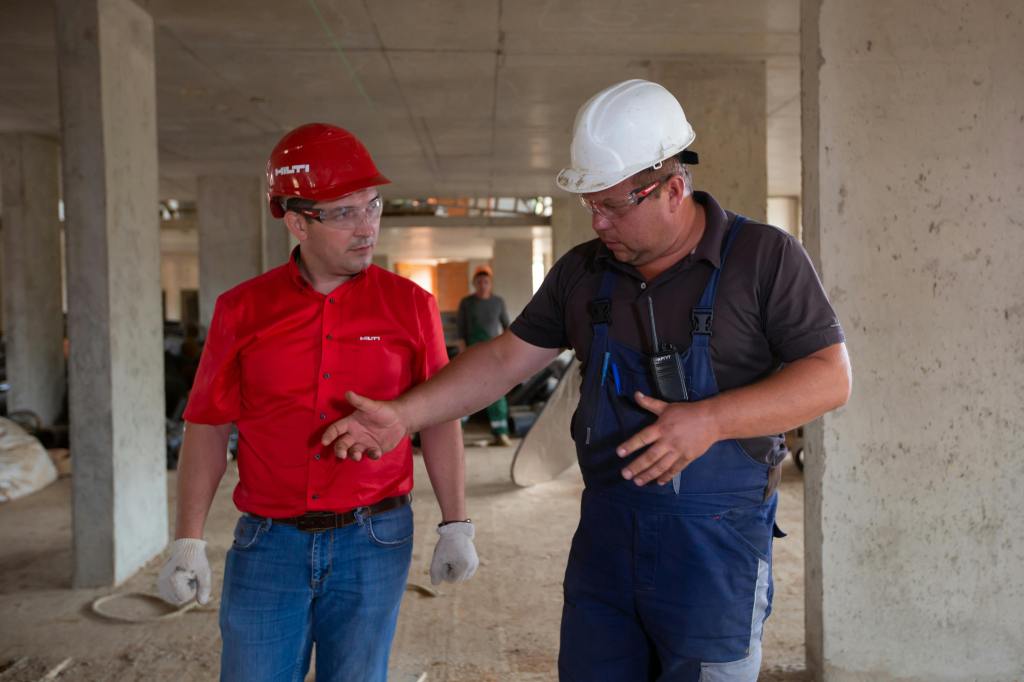
Safety is the most critical aspect of construction site management. According to global studies, construction is one of the highest-risk industries, with accidents resulting in injuries, fatalities, project delays, and financial losses. In 2025, with larger, more complex projects, advanced equipment, and tighter regulatory requirements, effective safety management is more important than ever.
This guide provides a comprehensive overview of safety management strategies, best practices, and tools to ensure that construction sites remain safe, compliant, and productive.
1. Understanding Safety Management on Construction Sites
Safety management is the systematic process of identifying, assessing, and controlling risks to protect workers, visitors, equipment, and the environment. It includes:
- Hazard identification and risk assessment
- Implementing preventive measures
- Providing training and safety resources
- Monitoring compliance and conducting inspections
- Investigating incidents and implementing corrective actions
Effective safety management not only prevents accidents but also improves productivity, reduces costs, and enhances reputation.
2. Importance of Safety Management
Key benefits include:
- Reduced Accidents and Injuries: Protects workers from harm.
- Regulatory Compliance: Meets OSHA, local safety, and environmental regulations.
- Lower Costs: Minimizes compensation claims, legal fees, and rework.
- Improved Productivity: Safe environments allow crews to work confidently.
- Enhanced Reputation: Builds trust with clients, subcontractors, and regulators.
Safety is no longer just a legal requirement—it’s a strategic component of project success.
3. Key Components of Construction Safety Management
3.1 Hazard Identification and Risk Assessment
Identifying potential hazards early is critical:
- Physical hazards: Falls, heavy machinery, electrical equipment, scaffolding
- Chemical hazards: Dust, solvents, paints, and hazardous materials
- Environmental hazards: Extreme weather, noise, confined spaces
- Ergonomic hazards: Repetitive strain, lifting, or awkward postures
Risk assessment steps:
- Identify hazards
- Evaluate likelihood and severity
- Implement control measures
- Monitor and review risks regularly
3.2 Safety Planning and Policies
A structured safety plan is essential:
- Define safety objectives and goals
- Establish standard operating procedures (SOPs)
- Outline emergency response plans
- Assign safety responsibilities to site personnel
- Develop policies for PPE, equipment usage, and hazard communication
A clear safety plan ensures consistency and accountability across the site.
3.3 Training and Education
Well-trained workers are less likely to cause accidents:
- Conduct site orientation for all personnel
- Provide job-specific training for machinery, tools, and tasks
- Hold regular toolbox talks to reinforce safety measures
- Train supervisors to identify hazards and enforce policies
In 2025, many sites are using digital safety training platforms for interactive and trackable learning.
3.4 Personal Protective Equipment (PPE)
PPE is the last line of defense against injuries:
- Helmets, gloves, safety boots, goggles, and high-visibility vests
- Fall arrest systems for working at heights
- Respiratory protection for hazardous substances
Ensuring proper PPE usage and enforcement is a fundamental part of safety management.
3.5 Site Safety Inspections
Regular inspections identify potential hazards before they cause accidents:
- Daily walkthroughs by safety officers
- Weekly formal safety audits
- Check for compliance with SOPs, equipment safety, and housekeeping
- Use digital inspection checklists for documentation
Frequent inspections maintain a proactive safety culture.
3.6 Emergency Preparedness and Response
Even with preventive measures, emergencies can occur:
- Develop clear evacuation plans and muster points
- Train workers in fire response, first aid, and rescue procedures
- Maintain emergency kits and equipment on-site
- Conduct periodic mock drills
Preparedness minimizes damage and ensures quick, effective response.
3.7 Contractor and Subcontractor Safety Management
All personnel on-site must follow safety protocols:
- Include safety clauses in contracts
- Conduct joint safety meetings with subcontractors
- Monitor subcontractor compliance
- Provide training and orientation for subcontractor teams
Consistent safety standards across all parties reduce risk exposure.
4. Safety Culture and Leadership
Safety management is not only about rules; it’s about culture:
- Promote a “safety first” mindset among all employees
- Encourage reporting of hazards and near-misses without fear of reprisal
- Reward safe practices and recognize employees who follow protocols
- Leadership involvement sets the tone for accountability
A strong safety culture is the most effective long-term risk reduction strategy.
5. Technology in Construction Safety (2025 Trends)
Modern technology enhances safety management:
- Wearables and IoT sensors: Monitor worker location, fatigue, and hazards
- Drones: Inspect high-risk areas and monitor safety compliance
- AI and Predictive Analytics: Identify potential accident risks and prevent incidents
- Digital reporting tools: Track inspections, incidents, and corrective actions
- VR/AR training: Provide immersive hazard awareness and equipment training
Technology allows real-time monitoring and proactive prevention of accidents.
6. Common Safety Challenges and Solutions
| Challenge | Solution |
|---|---|
| Worker non-compliance | Conduct training, enforce PPE, monitor behavior |
| Hazardous conditions | Regular inspections, hazard mitigation measures |
| Equipment accidents | Routine maintenance, operator training, safety checklists |
| Emergency unpreparedness | Emergency drills, clear protocols, first aid training |
| Coordination issues | Safety meetings, communication platforms, supervision |
Addressing these challenges proactively ensures safer and more productive sites.
7. Safety Metrics to Track
Monitoring safety performance is critical for continuous improvement:
- Number of incidents or accidents per month
- Lost-time injury frequency rate (LTIFR)
- PPE compliance percentage
- Number of near-misses reported
- Safety training completion rates
Data-driven insights allow managers to focus on areas of improvement and prevent future accidents.
Safety management is the foundation of successful, efficient, and compliant construction projects. In 2025, adopting structured safety plans, proactive training, technology, inspections, and a strong safety culture ensures that construction sites remain safe, productive, and reliable.
By prioritizing safety, construction managers can:
- Reduce accidents and fatalities
- Minimize delays and rework
- Lower costs and insurance claims
- Enhance workforce morale and productivity
- Build a trusted reputation with clients and regulators
Safety is not optional—it is a strategic priority for every construction site.
 Rigid Academy-Building is an Art
Leave a comment