
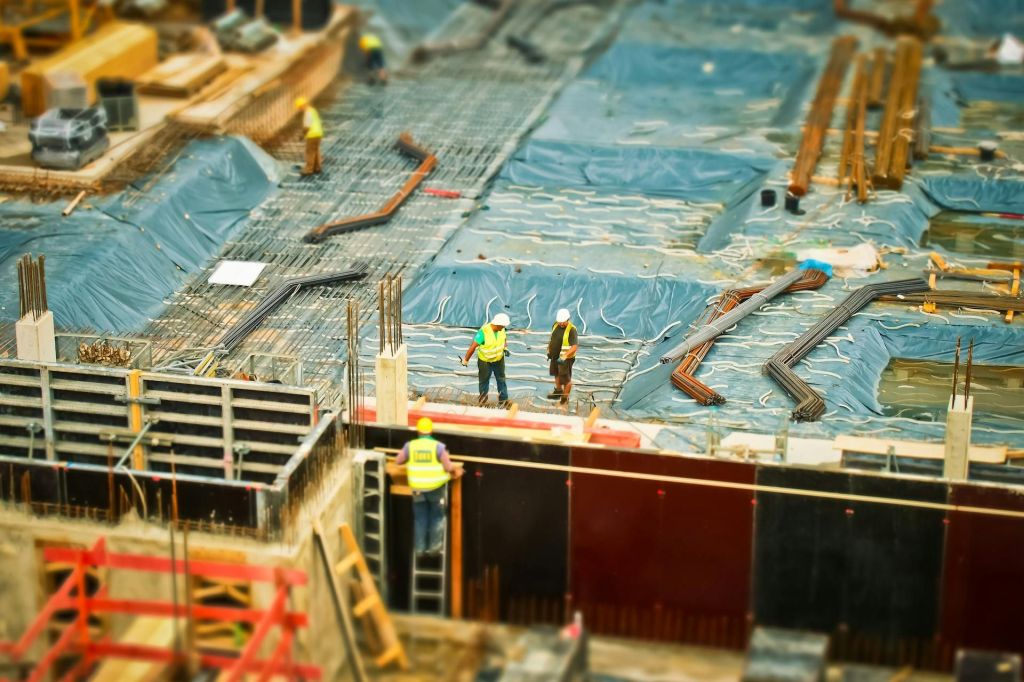
Effective construction site management is the backbone of every successful project. Even small mistakes can lead to cost overruns, schedule delays, safety risks, and damaged client relationships. Whether you are an experienced site manager or just starting your career, understanding the most common mistakes—and how to avoid them—will help you deliver safer, more efficient, and higher-quality projects.
In this article, we explore the 10 most critical mistakes in construction site management and provide practical solutions to prevent them.
1. Poor Planning and Scheduling
One of the biggest challenges in construction management is starting a project without a detailed roadmap. Inadequate planning leads to confusion, rework, and delays.
How to Avoid It
Create a realistic project schedule using tools like MS Project or Primavera.
Break down work into manageable tasks (WBS method).
Plan material deliveries, equipment usage, and manpower allocation early.
Include buffer time for unexpected delays.
2. Lack of Clear Communication
Miscommunication between site teams, subcontractors, suppliers, and management is one of the most damaging issues on construction sites.
How to Avoid It
Hold daily toolbox meetings and weekly coordination meetings.
Use centralized communication tools (WhatsApp groups, Slack, cloud-based construction apps).
Provide clear instructions and updated drawings.
Document every decision and approval process.
3. Ignoring Safety Requirements
Construction sites are full of hazards. Neglecting safety not only puts workers at risk but can also result in fines, schedule delays, and legal issues.
How to Avoid It
Implement strict PPE policies.
Provide regular safety training and WHMIS-type awareness.
Conduct routine safety inspections.
Encourage a safety-first culture.
4. Inaccurate Cost Estimation and Budget Tracking
Many projects go over budget because of unrealistic cost estimates or weak financial monitoring.
How to Avoid It
Prepare a detailed cost breakdown for materials, labor, equipment, and subcontractors.
Use cost-control software to track expenses.
Monitor daily resource usage and prevent waste.
Reforecast regularly based on site progress.
5. Insufficient Documentation
Missing site logs, poor recordkeeping, or undocumented changes cause disputes, claims, and delays.
How to Avoid It
Keep a daily site diary.
Save all drawings, RFIs, approvals, and change orders.
Use digital platforms for document management.
Capture daily progress photos and videos.
6. Weak Material and Equipment Management
Late deliveries, damaged materials, or unavailable equipment creates major disruptions.
How to Avoid It
Prepare a material tracking schedule.
Inspect materials upon arrival.
Ensure proper storage to prevent damage or theft.
Make equipment reservations in advance.
7. Not Monitoring Subcontractor Performance
Subcontractors play a critical role in project success. Poor coordination often leads to delays, quality issues, and conflicts.
How to Avoid It
Evaluate subcontractors based on performance, not only cost.
Hold weekly coordination meetings.
Monitor manpower levels and productivity.
Ensure subcontractors receive updated drawings and instructions.
8. Overlooking Quality Control
Completed work must meet the design specifications and client expectations. If quality checks are missing, rework becomes inevitable.
How to Avoid It
Implement quality checkpoints for each activity.
Use inspection and test plans (ITPs).
Conduct routine audits with the engineering team.
Make sure workers understand the standard of work required.
9. Failure to Manage Risks
Many managers focus on daily tasks and overlook hidden risks such as weather, supply chain disruptions, design errors, or soil issues.
How to Avoid It
Conduct a risk assessment at the start of each project.
Prepare mitigation plans for high-impact risks.
Revise the risk register regularly.
Ensure key personnel understand emergency procedures.
10. Inadequate Leadership and Team Management
A construction site runs efficiently only when leadership is strong. Poor leadership results in low morale, poor productivity, and high turnover.
How to Avoid It
Lead by example—arrive on time, communicate clearly, and stay organized.
Motivate your team and recognize good performance.
Provide clear responsibilities and expectations.
Solve conflicts quickly and professionally.
Construction site management is a complex process that requires planning, communication, leadership, and constant monitoring. By understanding these 10 critical mistakes and implementing the recommended solutions, you can significantly improve project performance, reduce risks, and deliver high-quality results consistently.
If you want to learn more about construction management, formwork, steel design, or engineering workflows, follow Rigid Academy for expert-level insights, guides, and real-life examples.
 Rigid Academy-Building is an Art
Leave a comment