
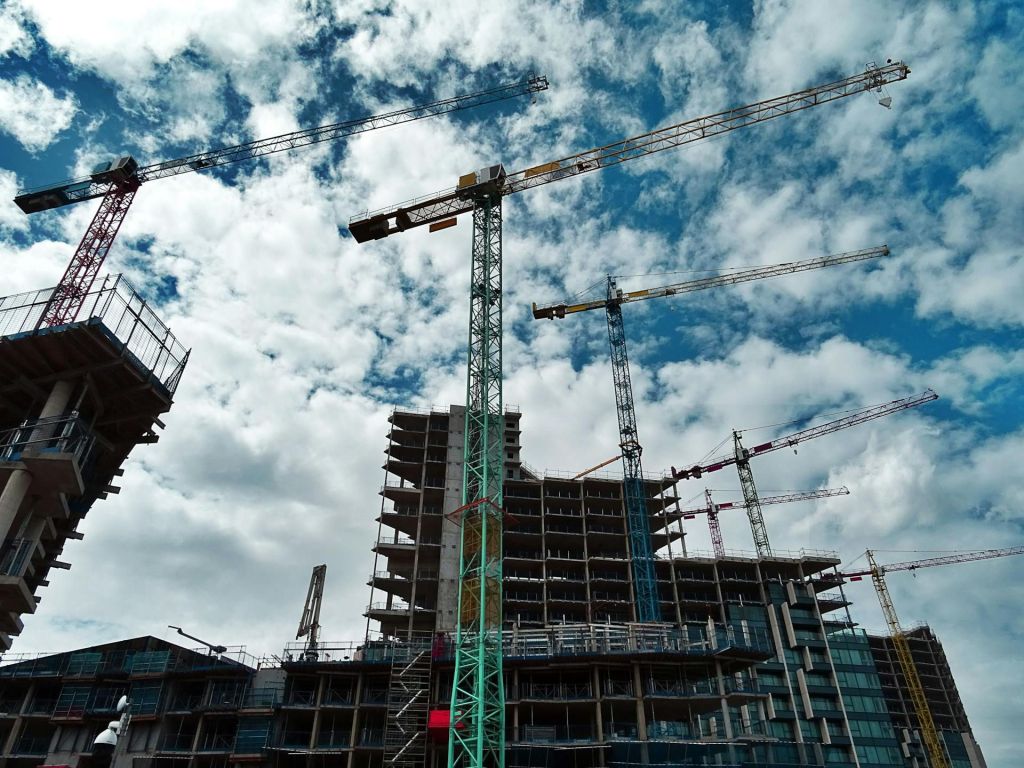
Methods in Concrete Building Construction
Concrete is the most widely used construction material in the world. Its versatility, strength, and cost-effectiveness make it a key component in modern construction. From high-rise buildings and bridges to residential homes and industrial facilities, concrete plays a central role. However, constructing concrete buildings requires knowledge of various construction methods, techniques, and technologies to ensure safety, quality, and efficiency.
In this in-depth guide, we’ll explore the major construction methods for concrete buildings, categorized into traditional and modern techniques, and examine their advantages, challenges, and practical applications.
1. Introduction to Concrete Construction
Concrete construction involves the systematic placement of concrete to form structural elements such as slabs, columns, beams, and walls. These elements work together to transfer loads safely from the superstructure to the foundation. Key factors influencing the selection of construction methods include:
- Type and scale of the project
- Structural requirements
- Budget and time constraints
- Local climate and materials
- Labor availability
2. Traditional Concrete Construction Methods
2.1. Cast-in-Place (In-Situ) Construction
Cast-in-place concrete is poured and cured directly on the construction site using temporary formwork. It remains the most commonly used method for large-scale structural elements.
Key Steps:
- Site preparation and leveling
- Formwork installation
- Steel reinforcement placement
- Concrete mixing and pouring
- Vibration for compaction
- Curing and formwork removal
Advantages:
- Strong monolithic structure
- High durability and resistance
- Flexibility in design and layout
Challenges:
- Time-consuming process
- Requires skilled labor
- Weather-sensitive
2.2. Precast Concrete Construction
Precast concrete elements are produced in a factory-controlled environment and transported to the site for assembly.
Common Precast Elements:
- Beams and columns
- Wall panels
- Staircases
- Slabs and girders
Advantages:
- Faster construction time
- Improved quality control
- Reduced on-site labor
Challenges:
- Transportation logistics
- Requires cranes and equipment
- Design limitations due to standardization
2.3. Slip Forming
Slip forming is a continuous pouring method used primarily for vertical structures like silos, towers, and high-rise cores.
Features:
- The formwork slowly moves upward as concrete is poured
- Allows for continuous construction without joints
Benefits:
- High speed and efficiency
- Strong monolithic construction
- Reduced formwork costs
3. Modern Methods of Concrete Construction (MMC)
With the evolution of construction technologies, several modern methods have emerged that improve productivity and sustainability.
3.1. Tunnel Form Construction
This method uses large, reusable formwork systems to cast walls and slabs in one operation.
Applications:
- Repetitive building layouts (e.g., hotels, apartments, dormitories)
Advantages:
- Rapid cycle times (1 floor/day possible)
- Excellent dimensional accuracy
- Reduced labor requirements
3.2. 3D Printed Concrete
Still in its early stages, 3D concrete printing uses robotic arms or gantry systems to layer concrete without formwork.
Advantages:
- Creative architectural freedom
- Reduced material waste
- Fast and automated process
Limitations:
- Structural reliability still under research
- Limited availability of machines
3.3. Insulated Concrete Forms (ICFs)
ICFs are lightweight blocks or panels made of insulating material, which act as permanent formwork for concrete.
Features:
- Excellent thermal performance
- Energy-efficient buildings
- Simple assembly
Applications:
- Low-rise and residential buildings
- Sustainable construction
4. Construction Techniques for Key Structural Elements
4.1. Columns and Beams
Column Construction:
- Vertical formwork using steel or plywood
- Reinforcement cages tied and positioned
- Concrete poured using buckets or pumps
- Vibration critical to eliminate air pockets
Beam Construction:
- Often cast together with slabs (monolithic)
- Proper support (shoring) is necessary
- Longitudinal and stirrup reinforcements
4.2. Slabs
Types of Concrete Slabs:
- One-way and two-way slabs
- Flat slabs and waffle slabs
- Hollow-core precast slabs
Construction Methods:
- Traditional cast-in-situ with formwork and props
- Post-tensioned slab systems for long spans
- Precast planks with topping concrete
4.3. Walls
Shear Walls and Load-Bearing Walls:
- Usually cast with high-strength concrete
- Require dense vertical and horizontal reinforcement
- Core walls in high-rise structures often use slip-forming
Architectural Concrete Walls:
- Designed for aesthetics and function
- Requires careful formwork alignment and surface finishing
5. Formwork Systems in Concrete Construction
Formwork is a temporary or permanent mold used to hold fresh concrete in shape until it hardens. It plays a crucial role in quality, safety, and speed.
5.1. Traditional Timber Formwork
- Economical and flexible
- Labor-intensive
- Suitable for small projects
5.2. Engineered Formwork Systems
- Made of steel, aluminum, or plastic
- Modular and reusable
- Higher initial cost but long-term savings
5.3. Climbing and Jump Forms
- Mechanized formwork that climbs as construction progresses
- Ideal for high-rise cores, towers, and silos
6. Reinforcement Techniques
Concrete has excellent compressive strength but poor tensile strength, which is why reinforcement is vital.
6.1. Rebar Placement
- Steel rebars are tied to form a cage inside formwork
- Cover blocks maintain spacing from surfaces
- Lap splices or mechanical couplers used for length continuity
6.2. Mesh and Fibers
- Welded wire mesh is common in slabs
- Steel, polypropylene, or glass fibers improve crack resistance
6.3. Post-Tensioning
- Steel tendons are tensioned after concrete hardens
- Suitable for bridges, long-span slabs, and high-rise buildings
7. Concrete Pouring Techniques
7.1. Manual Pouring
- Done with buckets, wheelbarrows, or crane skips
- Practical for small volumes
7.2. Pumping Concrete
- High-pressure pumps move concrete through pipes
- Enables fast and continuous placement
- Essential for high-rise projects
7.3. Tremie Method
- Used for underwater foundations
- Prevents concrete segregation by maintaining continuous flow
8. Curing and Finishing
Curing is vital to achieve desired concrete strength and durability.
8.1. Curing Methods
- Water curing (ponding, spraying, wet coverings)
- Membrane curing (plastic sheets, curing compounds)
- Steam curing (used in precast factories)
8.2. Surface Finishes
- Trowel finish (smooth surfaces)
- Broom finish (for slip resistance)
- Exposed aggregate finish (decorative)
- Polished concrete (modern interiors)
9. Sustainable Concrete Practices
The construction industry is moving towards sustainability. In concrete buildings, this includes:
9.1. Using Supplementary Cementitious Materials (SCMs)
- Fly ash, slag, silica fume reduce cement usage
- Lower carbon footprint
9.2. Recycled Aggregates
- Crushed concrete used in non-structural elements
- Conserves natural resources
9.3. Green Concrete Innovations
- Carbon capture concrete
- Self-healing concrete
- Photocatalytic concrete (for air purification)
10. Quality Control in Concrete Construction
Ensuring high-quality concrete construction requires systematic quality checks and supervision.
Key Control Measures:
- Slump tests for workability
- Cube/cylinder tests for compressive strength
- Proper mix design and batching
- Reinforcement inspection
- Formwork alignment and support checks
- Monitoring curing duration and conditions
11. Safety Considerations
Concrete construction involves heavy materials, equipment, and elevated work. Safety is non-negotiable.
Main Safety Practices:
- Proper PPE (helmets, gloves, boots, harnesses)
- Safe handling of concrete pumps and vibrators
- Rigorous formwork inspection
- Scaffold and platform stability
- Awareness of chemical burns from wet concrete
12. Innovations Shaping the Future of Concrete Buildings
12.1. Smart Concrete
- Embedded sensors to monitor stress, strain, and cracks in real time
12.2. Prefabricated Modular Systems
- Complete volumetric units assembled on-site
- Rapid urban housing solution
12.3. Ultra-High-Performance Concrete (UHPC)
- Exceptional strength and durability
- Allows for thinner, sleeker designs
Conclusion
Concrete building construction is a complex and evolving discipline that blends time-tested methods with modern innovations. Whether it’s a small residential project or a towering skyscraper, selecting the right construction method is key to a successful build. With increasing focus on sustainability, automation, and efficiency, concrete construction is set to remain at the forefront of the global construction industry for decades to come.
 Rigid Academy-Building is an Art
Leave a comment