
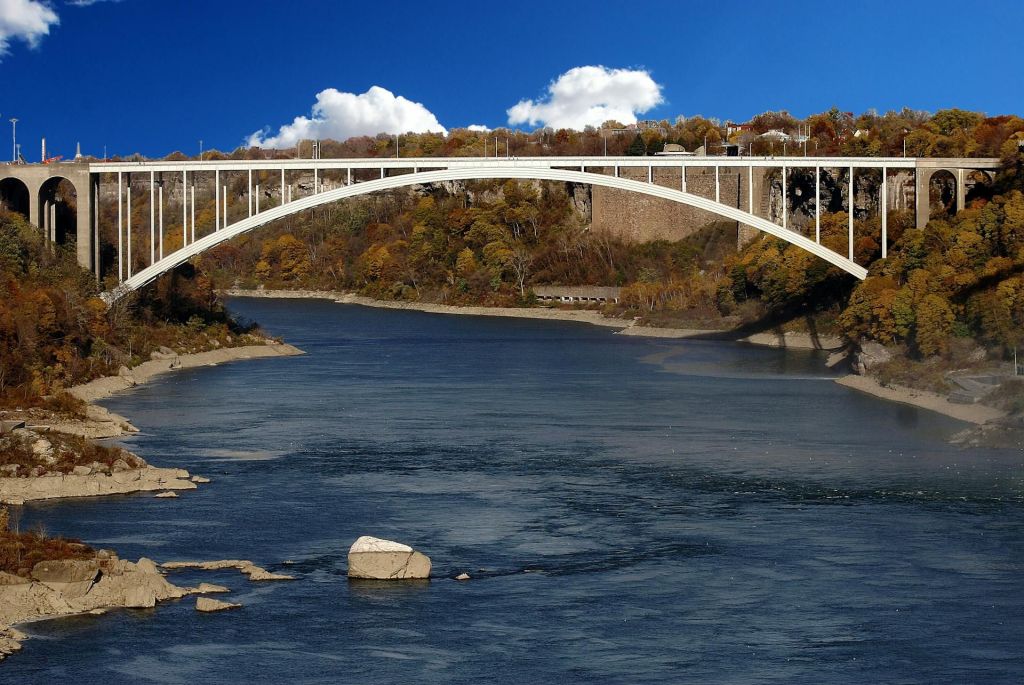
Bridges are among the most remarkable feats of engineering, enabling connectivity across vast distances, rough terrains, and deep waters. Constructing large bridges—such as cable-stayed or suspension bridges—requires a deep understanding of structural mechanics, material science, geotechnical engineering, and construction methodologies. In this post, we’ll explore the key technical secrets behind building massive bridges that stand the test of time.
1. Structural Systems of Large Bridges
Different bridge types are chosen based on span length, site conditions, and load requirements. The three most common types for large spans are:
a) Suspension Bridges
Suspension bridges are ideal for spans exceeding 1,000 meters. They use massive cables anchored at both ends to support the deck. The cables distribute the load to the towers, which then transfer it to deep foundations.
- Example: Akashi Kaikyō Bridge (1,991m main span)
- Structural Feature: Main cables composed of thousands of steel wires, resisting tension forces.
b) Cable-Stayed Bridges
Cable-stayed bridges use pylons that directly support the deck with diagonal cables. They are often chosen for spans between 200m and 1,000m due to their cost-efficiency and aesthetic design.
- Example: Russky Bridge (1,104m main span)
- Structural Feature: The main pylons bear the load directly, reducing horizontal forces at anchor points.
c) Cantilever Bridges
Cantilever bridges use rigid structures extending from piers, typically made of steel or prestressed concrete. They are suitable for spans between 200m and 500m.
- Example: Forth Bridge (cantilever truss)
- Structural Feature: Self-supporting sections eliminate the need for temporary supports during construction.
2. Materials Used in Large Bridges
The choice of materials directly impacts a bridge’s strength, durability, and longevity.
a) High-Strength Steel
Steel is the primary material for long-span bridges due to its high tensile strength and flexibility. Modern bridges use weathering steel to resist corrosion, reducing maintenance costs.
- Steel cables in suspension bridges: Can handle tension forces exceeding 500 MPa.
- Steel box girders: Provide high torsional stiffness, essential for stability.
b) Prestressed Concrete
Used in bridges with spans up to 300m, prestressed concrete improves durability and load-carrying capacity.
- Pre-tensioned concrete girders: Used for approach spans.
- Post-tensioned deck slabs: Resist cracking and improve fatigue resistance.
c) Advanced Composite Materials
Fiber-reinforced polymers (FRP) and ultra-high-performance concrete (UHPC) are emerging as lightweight and corrosion-resistant materials for bridges.
3. Foundation Engineering for Large Bridges
Bridge foundations must withstand enormous vertical and lateral forces while adapting to soil and water conditions.
a) Deep Foundations
For bridges over water or weak soil, deep foundations are used.
- Piles: Driven deep into the ground to transfer loads to stable strata.
- Caissons: Large watertight chambers sunk into the riverbed and filled with concrete.
b) Rock Anchors for Suspension Bridges
In suspension bridges, cables are anchored into solid rock to resist tension forces. Engineers conduct extensive geotechnical investigations to determine rock quality and design anchorages accordingly.
c) Floating Foundations
For deep-sea bridge construction, floating caissons and steel piles are used. These require advanced underwater construction techniques and dynamic load analysis.
4. Load Analysis and Wind Resistance
a) Dead Loads and Live Loads
- Dead load: The weight of the bridge itself (deck, cables, pylons).
- Live load: Traffic, pedestrians, wind, earthquakes, and thermal expansion effects.
b) Wind-Induced Vibrations
Large bridges are vulnerable to wind forces, requiring aerodynamic shaping and damping systems.
- Example: The Tacoma Narrows Bridge collapse (1940) highlighted the need for wind tunnel testing in bridge design.
- Solution: Modern bridges use streamlined box girders and tuned mass dampers to reduce oscillations.
c) Earthquake Considerations
Seismic forces can cause bridges to collapse if not properly designed.
- Seismic isolation bearings: Allow controlled movement during an earthquake.
- Flexible piers: Absorb seismic energy without catastrophic failure.
5. Construction Techniques for Large Bridges
a) Cantilever Construction for Cable-Stayed Bridges
Segments are built outward from pylons using a balanced cantilever method, avoiding the need for scaffolding.
- Example: Millau Viaduct in France used mobile scaffolding and pre-assembled deck segments.
b) Incremental Launching for Long Viaducts
Bridges are assembled in sections and pushed forward using hydraulic jacks. This is ideal for inaccessible terrains.
- Example: Öresund Bridge linking Denmark and Sweden.
c) Suspension Bridge Cable Spinning
Main cables are spun in place using aerial cable carriers. This allows precise tensioning and reduces labor costs.
- Example: Golden Gate Bridge used 80,000 miles of steel wire.
6. Longevity and Maintenance Strategies
a) Corrosion Protection
- Galvanization and epoxy coatings protect steel components.
- Cathodic protection systems prevent rusting in marine environments.
b) Structural Health Monitoring (SHM)
Modern bridges use embedded sensors to monitor:
- Cable tension: Detects early-stage failures.
- Crack propagation: Helps schedule maintenance before damage worsens.
- Wind and seismic loads: Ensures real-time structural safety.
c) Retrofitting and Strengthening
Older bridges are strengthened using carbon fiber reinforcement, external prestressing, and additional support piers to increase their lifespan.
Conclusion
Building massive bridges requires expertise in structural design, material selection, foundation engineering, and load management. With advances in technology, engineers are pushing the boundaries of what is possible, constructing longer and stronger bridges while ensuring safety and durability. The next generation of bridges will likely incorporate AI-driven monitoring systems and innovative materials, further improving efficiency and resilience.
 Rigid Academy-Building is an Art
Good job. very Informative.
LikeLike