
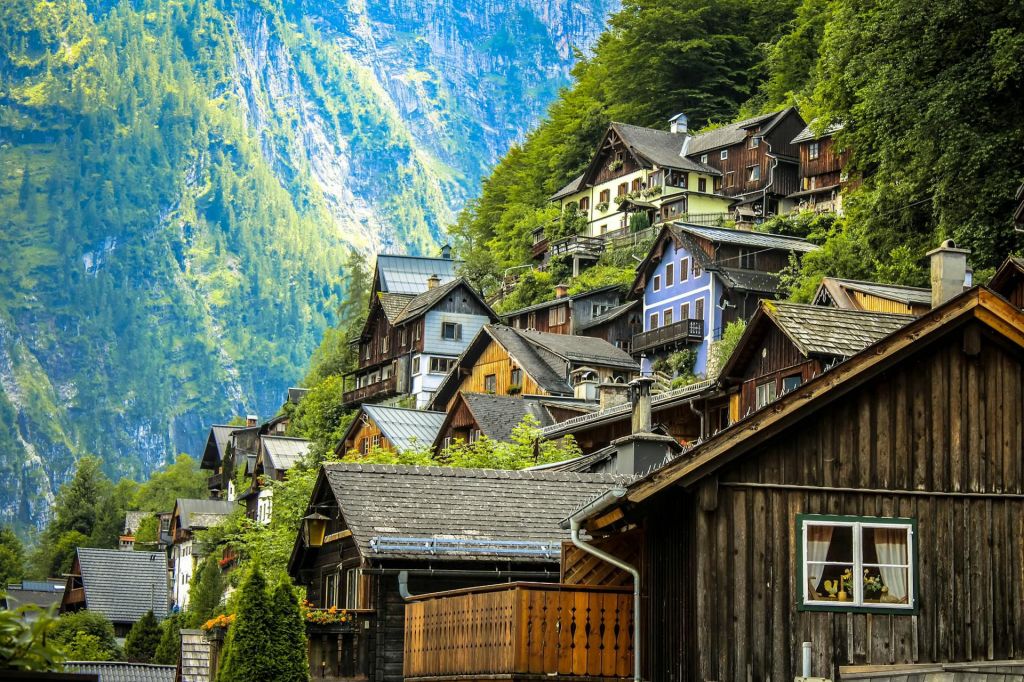
Wood has been one of the most widely used construction materials throughout history. Its natural beauty, strength, sustainability, and versatility make it an excellent choice for various types of buildings, from traditional houses to modern skyscrapers. In this blog, we will explore the benefits of wooden structures, different types of wooden construction methods, the best practices for building with wood, and modern innovations in timber engineering.
1. The Benefits of Wooden Structures
1.1 Sustainability and Environmental Benefits
Wood is a renewable resource, making it one of the most sustainable construction materials. When harvested responsibly from managed forests, it has a much lower carbon footprint compared to steel or concrete. Additionally, trees absorb carbon dioxide during their growth, storing carbon and reducing greenhouse gas emissions.
1.2 Strength and Durability
Contrary to common misconceptions, wood is an incredibly strong and durable material. Properly treated and maintained, wooden structures can last for centuries. Engineered wood products like cross-laminated timber (CLT) and glued laminated timber (glulam) have revolutionized modern construction by offering strength comparable to steel and concrete.
1.3 Thermal and Acoustic Insulation
Wood naturally provides excellent thermal insulation, helping to keep buildings warm in winter and cool in summer. This can significantly reduce heating and cooling costs. Additionally, wooden structures absorb sound better than steel or concrete, making them ideal for residential and commercial buildings where noise reduction is important.
1.4 Aesthetic Appeal and Design Flexibility
Wood has a natural, warm aesthetic that enhances the visual appeal of any structure. It is also highly versatile and can be used in traditional, rustic, or modern designs. Architects and designers appreciate wood for its ability to be shaped and customized according to different design needs.
2. Types of Wooden Construction Methods
There are several methods of building with wood, each with its own advantages and applications.
2.1 Log Construction
One of the oldest methods of building with wood, log construction involves stacking logs horizontally to form walls. Logs can be left round, squared, or hewn into different shapes. This method is commonly used for cabins, chalets, and rustic-style homes.
2.2 Timber Frame Construction
Timber framing is a traditional building technique that uses large wooden beams and joints instead of nails or metal fasteners. These structures are known for their strength and durability. Modern timber frame buildings often combine wood with glass and steel for a contemporary look.
2.3 Light Wood Framing (Stick Framing)
This is the most common method used in North America for residential construction. It involves using small-dimension lumber to create a frame, which is then covered with plywood or oriented strand board (OSB) sheathing. Stick framing is cost-effective, fast, and easy to construct.
2.4 Cross-Laminated Timber (CLT) Construction
CLT is an advanced form of engineered wood consisting of multiple layers of lumber glued together at right angles. It is incredibly strong and is now used in multi-story buildings, including high-rise wooden skyscrapers. CLT is considered a sustainable alternative to concrete and steel.
2.5 Post and Beam Construction
Similar to timber framing, post and beam construction uses large wooden posts and beams to support a structure. However, it often incorporates metal connectors for additional strength. This method allows for open floor plans and large windows, making it popular for modern homes and commercial buildings.
3. Best Practices for Building with Wood
3.1 Choosing the Right Type of Wood
Different types of wood offer different properties:
- Softwoods (e.g., pine, spruce, fir) – Affordable and commonly used for framing.
- Hardwoods (e.g., oak, maple, walnut) – Stronger but more expensive; used for flooring and decorative elements.
- Engineered Wood (e.g., plywood, CLT, LVL) – Offers enhanced strength and stability for large structures.
3.2 Moisture Protection and Treatment
Wood is susceptible to moisture, which can lead to rot and mold. Proper sealing, waterproofing, and ventilation are essential to protect wooden structures. Pressure-treated wood is often used for outdoor applications to prevent decay and insect infestations.
3.3 Fire Resistance Measures
While wood is naturally flammable, modern treatments and design strategies can significantly enhance its fire resistance. Fire-retardant coatings, sprinkler systems, and the use of thick timber elements (which char slowly and maintain structural integrity) help improve safety.
3.4 Energy Efficiency and Insulation
Wood itself has good insulation properties, but additional insulation materials like mineral wool or spray foam can further enhance a building’s energy efficiency. Using passive design techniques, such as strategic window placement and natural ventilation, can also improve energy performance.
3.5 Proper Joinery and Connection Techniques
Structural integrity depends on strong joints and connections. Traditional joinery methods like mortise-and-tenon provide excellent strength, while modern metal fasteners, brackets, and adhesives enhance durability. Engineers often use hybrid solutions that combine traditional craftsmanship with modern materials.
4. Modern Innovations in Wooden Construction
4.1 Mass Timber Construction
Mass timber, which includes CLT, laminated veneer lumber (LVL), and glulam, is transforming the construction industry. It allows for taller and stronger wooden buildings, with some reaching over 20 stories. The use of mass timber significantly reduces construction time and carbon emissions.
4.2 Prefabricated and Modular Wooden Buildings
Prefabrication involves constructing building components off-site and assembling them on location. This method increases efficiency, reduces waste, and ensures high-quality construction. Many modern wooden homes, offices, and hotels are now built using modular techniques.
4.3 Hybrid Wood Construction
Many architects and engineers are combining wood with steel, concrete, and glass to optimize strength, aesthetics, and sustainability. Hybrid construction methods allow for taller and more complex wooden buildings.
4.4 AI and Automation in Timber Engineering
Advanced AI-powered design software is helping engineers optimize wooden structures for strength, sustainability, and efficiency. Robotic automation in timber fabrication is also improving precision and reducing labor costs.
5. Examples of Iconic Wooden Structures
- Mjøstårnet (Norway) – The world’s tallest wooden building, standing at 85.4 meters (280 feet).
- The Tamedia Office Building (Switzerland) – A seven-story wooden office building designed by Shigeru Ban, featuring intricate timber joints without metal fasteners.
- The Brock Commons (Canada) – An 18-story student residence in Vancouver, demonstrating the potential of mass timber in high-rise construction.
- Ancient Japanese Temples – Many, such as Horyu-ji Temple, have stood for over a thousand years due to excellent wood craftsmanship and maintenance.
Conclusion
Wooden construction is experiencing a revival due to its sustainability, versatility, and aesthetic appeal. With advancements in engineered wood products, prefabrication, and hybrid construction techniques, wood is proving to be a viable alternative to traditional building materials. Whether for residential homes, commercial buildings, or even skyscrapers, wood offers an eco-friendly and innovative solution for the future of construction.
If you are considering a wooden structure for your next project, understanding the various construction techniques, best practices, and modern innovations can help you make an informed decision. With the right approach, wood can provide beauty, strength, and sustainability for generations to come.
 Rigid Academy-Building is an Art
Leave a comment