
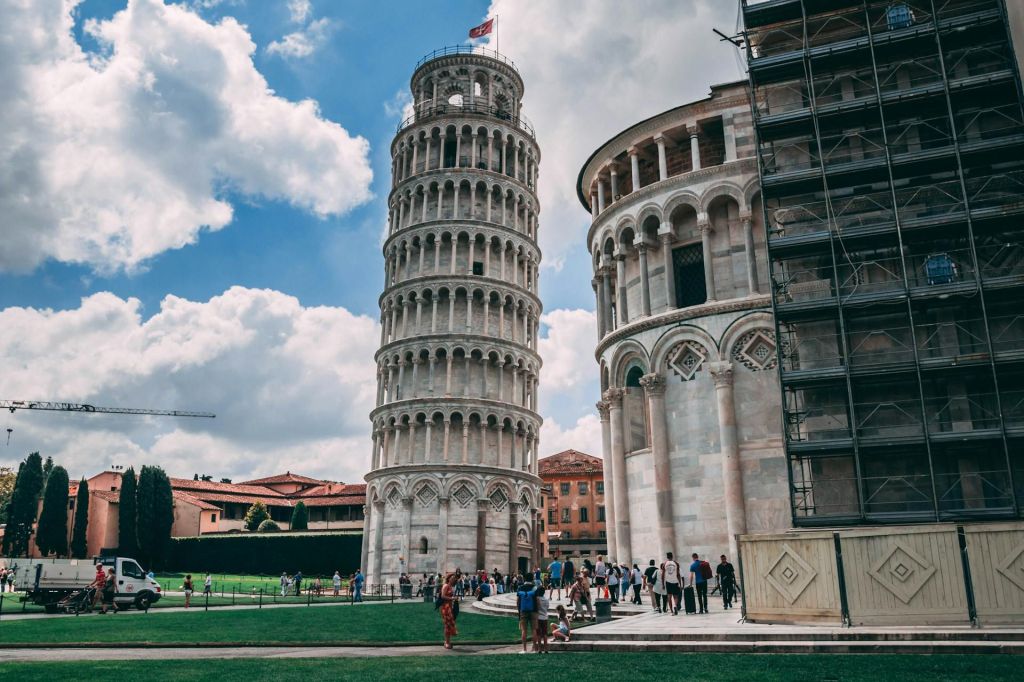
Building foundations in the construction industry face several challenges, including soil-related issues, water table problems, and structural failures. Here are some common problems and their solutions:
Poor Soil Conditions
- Problem: Weak, expansive, or highly compressible soils (e.g., clay or peat) can lead to foundation settlement or failure.
- Solution:
- Soil improvement techniques such as compaction, grouting, or soil stabilization.
- Deep foundation systems (piles or drilled piers) to transfer loads to more stable soil layers.
- Raft or mat foundations to distribute loads over a larger area.
Differential Settlement
- Problem: Uneven soil compression can cause parts of the building to sink at different rates, leading to cracks in walls and structural instability.
- Solution:
- Conduct a detailed geotechnical survey before construction.
- Use deep foundations like piles to reach stable strata.
- Underpinning techniques (such as helical piers or micro-piles) for existing structures experiencing settlement.
High Water Table
- Problem: A high water table can weaken soil and lead to foundation instability, excessive moisture, and basement flooding.
- Solution:
- Install dewatering systems (pumps, sumps, or drainage tiles).
- Use waterproofing membranes and proper drainage around foundations.
- Elevate foundations where possible or use pile foundations to avoid water-logged soil layers.
Expansive Soils (Swelling & Shrinking)
- Problem: Clay-rich soils expand when wet and shrink when dry, leading to foundation movement and cracking.
- Solution:
- Replace expansive soil with non-expansive fill.
- Design foundations with deep footings or piers that reach stable layers.
- Use moisture control techniques, such as proper landscaping and drainage systems.
Erosion and Scouring
- Problem: Water flow can wash away supporting soil, leading to foundation instability.
- Solution:
- Implement erosion control methods like retaining walls, riprap, or vegetation.
- Install proper drainage systems to redirect water away from foundations.
Improper Design or Construction Errors
- Problem: Poor design, inadequate reinforcement, or improper material use can weaken foundations.
- Solution:
- Follow building codes and structural engineering best practices.
- Perform quality control during construction, including material testing and site inspections.
- Use advanced foundation design software and structural analysis.
Seismic and Frost Heave Issues
- Problem: In earthquake-prone areas, foundations may fail due to ground shaking. In cold climates, frost heaving can cause uplift forces on foundations.
- Solution:
- Use deep foundations, base isolators, or flexible connections in seismic regions.
- Implement frost-protected shallow foundations or extend foundations below the frost line.
Basement Waterproofing Failures
- Problem: Water infiltration in basements can lead to mold, structural damage, and unusable space.
- Solution:
- Use high-quality waterproofing membranes and coatings.
- Install French drains or sump pumps to manage groundwater.
- Ensure proper grading and site drainage to keep water away from the foundation.
Tree Roots and Vegetation Issues
- Problem: Tree roots can extract moisture from the soil, causing it to shrink and lead to foundation settlement. Conversely, roots can also push against foundations, causing cracks.
- Solution:
- Avoid planting large trees too close to foundations.
- Install root barriers to prevent root intrusion.
- Maintain consistent soil moisture levels with proper irrigation.
Poor Drainage Around Foundation
- Problem: Improper drainage leads to water pooling near the foundation, which can cause erosion, hydrostatic pressure, and structural damage.
- Solution:
- Ensure proper site grading to direct water away from the building.
- Install gutters and downspouts that extend water at least 1-2 meters away from the foundation.
- Use French drains or perforated pipes to manage excess groundwater.
Chemical Reactions in Soil (Sulfate Attack)
- Problem: Some soils contain sulfates that react with concrete, causing deterioration and weakening of the foundation over time.
- Solution:
- Use sulfate-resistant cement in foundation construction.
- Apply protective coatings to concrete surfaces.
- Conduct soil testing before construction to assess chemical risks.
Underground Voids or Sinkholes
- Problem: In some regions, underground cavities or sinkholes can form due to natural or human-made causes, leading to sudden foundation collapse.
- Solution:
- Conduct thorough geotechnical and geophysical surveys before construction.
- Use grouting or compaction techniques to fill voids.
- Consider deep foundations (piles or caissons) to transfer loads to stable ground.
Improper Compaction of Fill Material
- Problem: If soil or fill material is not properly compacted before foundation placement, it can settle over time, causing uneven foundation movement.
- Solution:
- Use proper compaction equipment and techniques, following engineering specifications.
- Conduct standard Proctor or modified Proctor tests to ensure adequate soil density.
- Allow for sufficient settlement time when dealing with newly placed fill.
These problems highlight the importance of thorough site analysis, proper engineering design, and ongoing maintenance.
 Rigid Academy-Building is an Art
Leave a comment