
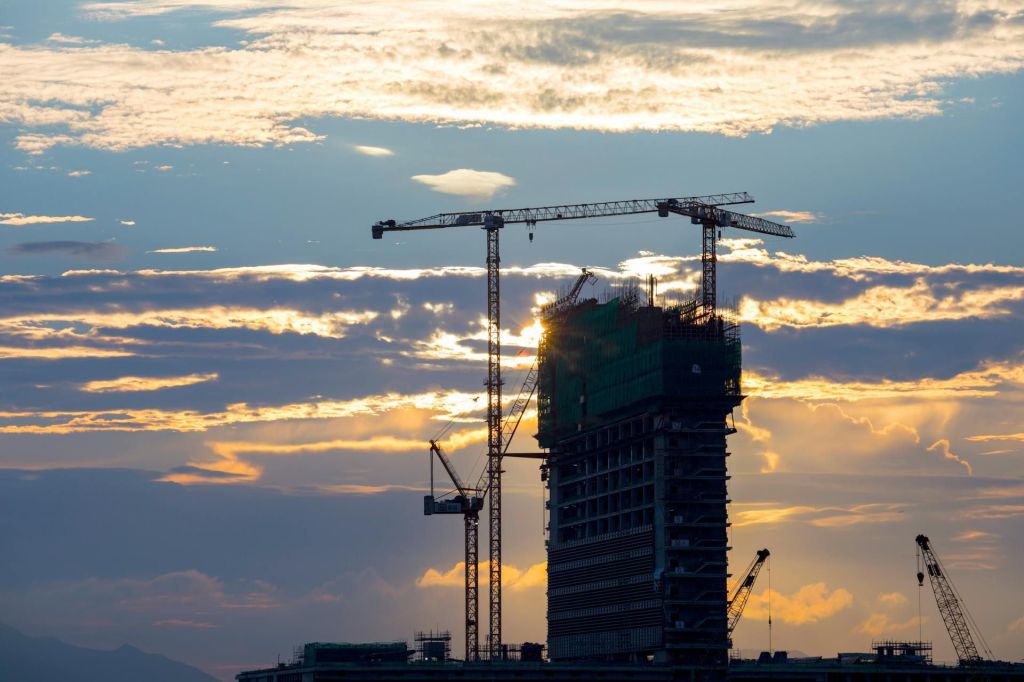
The construction industry in 2025 is experiencing significant transformations driven by technological advancements, sustainability imperatives, and evolving methodologies. Key trends shaping the sector include:
1. Modular and Prefabricated Construction
The adoption of modular and prefabricated construction methods is on the rise, offering benefits such as faster build times, reduced waste, and lower costs. Components are manufactured off-site in controlled environments and then assembled on-site, enhancing efficiency and quality control. This approach is gaining traction across various sectors, including residential, healthcare, and commercial real estate.
2. 3D Printing Technology
Innovations in 3D printing are revolutionizing construction by enabling the creation of building components layer by layer using materials like concrete and metals. This technology facilitates rapid construction, design flexibility, and significant reductions in material waste and labor costs. It’s particularly promising for affordable housing and complex architectural designs.
3. Artificial Intelligence (AI) and Machine Learning (ML) Integration
AI and ML are transforming project management by providing real-time analysis of large datasets to predict delays, optimize resource allocation, and assess risks. These technologies enhance decision-making processes, leading to smarter and more efficient construction workflows.
4. Building Information Modeling (BIM) Advancements
BIM continues to evolve as a central tool in construction, integrating all project data into a shared digital model. The integration of BIM with real-time data from Internet of Things (IoT) devices offers enhanced control over the entire project lifecycle, from design and construction to maintenance.
5. Sustainable Construction Practices
Sustainability is becoming a cornerstone of modern construction. The focus is on minimizing environmental impact through renewable energy, eco-friendly materials, and innovative designs like green roofs and energy-efficient systems. Green building certifications and zero-carbon initiatives are increasingly prevalent, reflecting a commitment to environmental stewardship.
6. Smart Building Technologies
The integration of IoT sensors and automated systems in buildings allows for real-time monitoring and optimization of energy usage, security, and environmental conditions. As 5G networks expand, smart buildings can “learn” and self-regulate, enhancing efficiency and reducing operational costs.
7. Drones and Robotics on Construction Sites
Drones and robotics are reshaping construction site operations by improving safety and efficiency. Drones provide real-time aerial surveys and inspections, while robots handle labor-intensive tasks like bricklaying and material handling. These technologies enhance precision, reduce risks, and lower labor costs.
8. Augmented Reality (AR) and Virtual Reality (VR)
AR and VR are revolutionizing project visualization and stakeholder collaboration. AR overlays digital designs onto physical environments, allowing teams to spot potential design issues in real time. VR immerses users in digital replicas of construction sites or finished buildings, enabling them to experience spaces before they are built. These tools reduce design errors and improve project outcomes.
9. Workforce Automation and Skill Development
Automation is transforming construction processes and redefining the skills required to operate new machinery and tools. Tasks like welding, bricklaying, and equipment operation are becoming increasingly automated, necessitating upskilling programs for the workforce. Training initiatives aimed at equipping workers with the skills to manage and operate advanced machinery are crucial to bridge the gap between innovation and workforce readiness.
10. Circular Economy and Material Reuse
The circular economy concept is gaining momentum in construction, emphasizing the reuse and recycling of materials to minimize waste. This approach encourages architects and developers to design buildings with the end-of-life phase in mind, allowing materials to be repurposed for future projects. Circular construction practices lead to a significant reduction in material costs and environmental impact while also meeting sustainability regulations worldwide.
By embracing these trends, the construction industry is poised to enhance efficiency, sustainability, and resilience, meeting the evolving demands of the modern world.
 Rigid Academy-Building is an Art
Leave a comment