
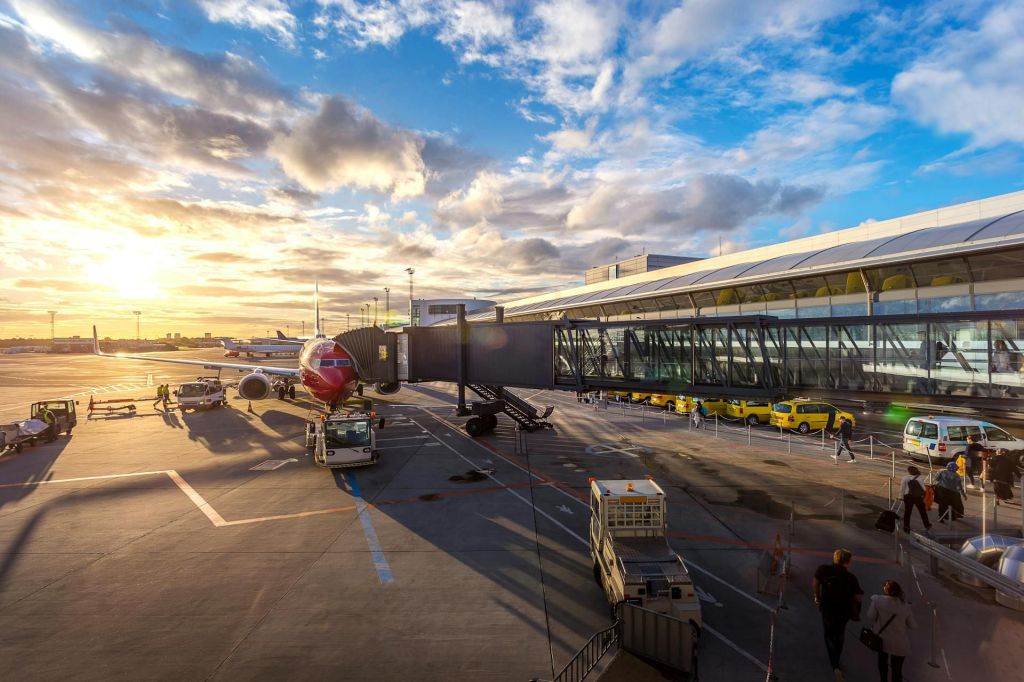
The construction of an airport is a highly complex and multidisciplinary process that involves extensive planning, engineering, and coordination. Below are the key construction details and phases typically involved:
1. Planning and Design Phase
Feasibility Study:
Assess site conditions, environmental impact, and local regulations.
Evaluate air traffic demand and operational requirements.
Master Plan Development:
Layout of runways, taxiways, aprons, terminals, cargo facilities, control towers, and support infrastructure.
Consider future expansion.
Environmental Impact Assessment (EIA):
Evaluate noise, pollution, and ecological disruptions.
Implement mitigation measures.
Budgeting and Financing:
Secure funding from governments, private investors, or public-private partnerships.
2. Land Preparation
Site Clearing:
Remove vegetation, debris, and existing structures.
Excavation and Earthworks:
Grading the site to ensure level ground for runways and taxiways.
Cut and fill operations for proper drainage.
Soil Stabilization:
Strengthen the ground for supporting heavy structures and aircraft loads.
3. Runway and Taxiway Construction
Subgrade Preparation:
Compact and stabilize the ground.
Install drainage systems to prevent waterlogging.
Pavement Layers:
Sub-base layer: Crushed stone or aggregate.
Base layer: Stabilized material for structural support.
Surface layer: Asphalt or concrete for durability.
Markings and Lighting:
Add painted runway markings for navigation.
Install high-intensity runway lighting (HIRL), taxiway lights, and approach lighting systems.
4. Terminal Building Construction
Foundation Work:
Deep foundations, such as piles, are common due to the size and weight of airport terminals.
Superstructure:
Steel and reinforced concrete frames for durability.
Large glass facades for natural lighting.
Interior Fit-Out:
Installation of baggage handling systems, escalators, elevators, HVAC systems, and fire safety measures.
Passenger Facilities:
Ticketing counters, waiting lounges, restrooms, and retail spaces.
5. Control Tower and Navigation Aids
Control Tower:
Constructed at a height that offers an unobstructed view of the entire airfield.
Equipped with advanced communication and surveillance systems.
Navigation Aids:
Instrument Landing Systems (ILS), radar, and radio navigation equipment.
6. Utility and Support Infrastructure
Fuel Storage and Supply Systems:
Build underground or above-ground fuel tanks.
Lay pipelines for fuel supply to aircraft.
Water Supply and Sewage Systems:
Ensure clean water for operations and proper waste management.
Power Supply:
Construct substations, backup generators, and renewable energy systems if applicable.
Roads and Parking:
Build access roads, bridges, and parking facilities for passengers and employees.
7. Testing and Commissioning
Quality Assurance:
Conduct structural tests on runways and buildings.
Verify the functionality of all systems, including lighting, navigation aids, and HVAC.
Trial Runs:
Simulate airport operations with staff and stakeholders before opening.
8. Landscaping and Finishing Touches
Green Areas:
Plant vegetation to reduce noise and improve aesthetics.
Perimeter Security:
Install fences, surveillance cameras, and security checkpoints.
Key Considerations
Safety Standards:
Follow International Civil Aviation Organization (ICAO) guidelines.
Environmental Sustainability:
Use energy-efficient systems and eco-friendly materials.
Resilience:
Design to withstand natural disasters like earthquakes, floods, and extreme weather.
Construction Materials
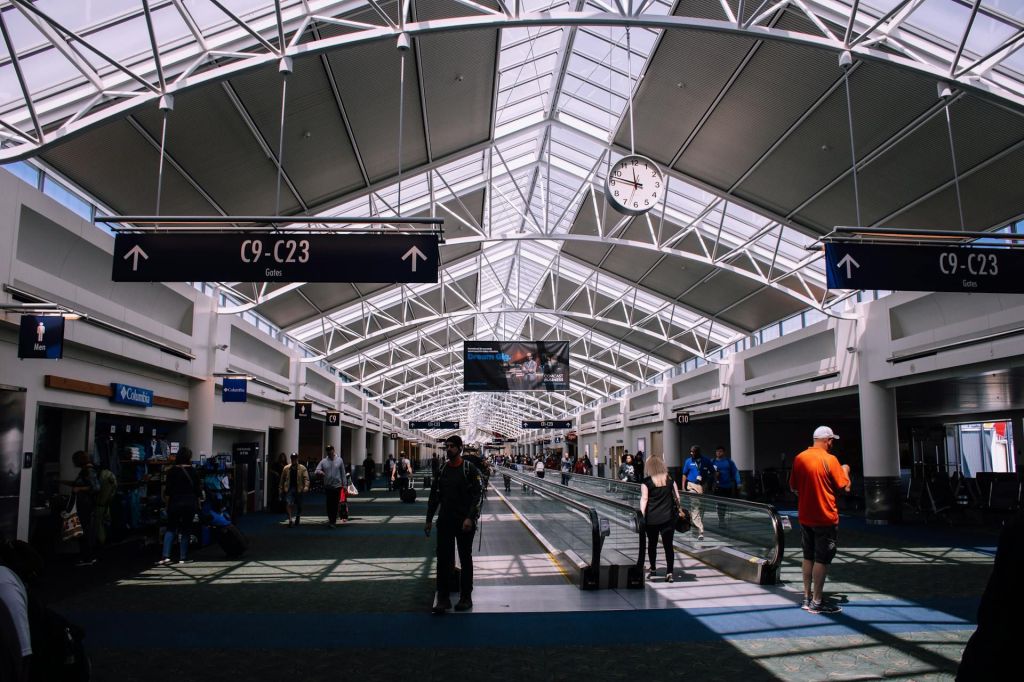
The construction of an airport involves a wide variety of materials, chosen for their durability, strength, and ability to meet aviation industry standards. Below is a detailed breakdown of the materials typically used in airport construction:
1. Runways, Taxiways, and Aprons
Concrete:
Used for runways, taxiways, and aprons due to its strength, durability, and ability to handle heavy loads.
High-strength Portland cement concrete is common.
Asphalt:
Flexible and cost-effective for runway surfaces, particularly for smaller or less busy airports.
Offers faster construction and maintenance times compared to concrete.
Aggregate:
Crushed stone, gravel, and sand are used in the sub-base and base layers for load distribution and drainage.
Geotextiles:
Used for soil stabilization and to prevent erosion.
Bitumen:
Acts as a binder in asphalt mixtures for surface paving.
2. Terminal Buildings
Steel:
Primary material for structural frames due to its high strength-to-weight ratio and flexibility in design.
Often used for trusses and roof structures.
Reinforced Concrete:
Used for foundations, columns, beams, and slabs to provide a strong structural base.
Glass:
Extensively used in facades and windows for natural lighting and aesthetic appeal.
Aluminum:
Used for cladding, window frames, and roofing due to its lightweight and corrosion resistance.
Gypsum Board:
Used for interior walls and ceilings in passenger lounges and office spaces.
Ceramic Tiles and Stone:
Flooring materials in high-traffic areas for durability and ease of cleaning.
3. Control Towers
Reinforced Concrete:
Provides stability and wind resistance for tall control towers.
Steel:
Used in framing and antenna support structures.
Glass:
High-strength glass for unobstructed visibility and weather resistance.
4. Aircraft Hangars and Maintenance Facilities
Pre-Engineered Steel:
Common for large-span structures like hangars.
Allows faster construction and cost savings.
Polycarbonate Panels:
Used in roofing and walls for lightweight and weather-resistant properties.
5. Utility and Support Infrastructure
PVC Pipes:
For water supply and sewage systems.
HDPE Pipes:
For fuel supply systems due to their chemical resistance.
Concrete and Brick Masonry:
For underground utility tunnels and manholes.
Asphalt and Concrete Paving:
For roadways and parking lots.
6. Navigation Aids and Lighting Systems
LED Lights:
Used in runway, taxiway, and apron lighting systems for energy efficiency.
Metal and Plastic Housings:
Protect lighting fixtures and navigation equipment from weather.
7. Perimeter Fencing and Security
Chain-Link Fencing:
Common for securing airport perimeters.
Reinforced Concrete Barriers:
Used for vehicle checkpoints and anti-ram barriers.
Fiber-Optic Cables:
Installed for communication and surveillance systems.
8. Landscaping and Green Spaces
Topsoil and Sod:
For landscaping to reduce noise and improve aesthetics.
Geosynthetics:
Used to stabilize slopes and prevent erosion.
Material Selection Considerations
Strength and Durability:
Materials must withstand heavy loads from aircraft and vehicles.
Weather Resistance:
Materials are chosen to endure harsh environmental conditions such as high winds, rain, and UV exposure.
Fire Resistance:
Non-combustible materials like concrete and steel are used extensively.
Sustainability:
Green materials, such as recycled aggregates, solar panels, and low-emission concrete, are increasingly preferred.
 Rigid Academy-Building is an Art
Leave a comment