

The structural design of a skyscraper ensures that the building can withstand vertical and lateral loads, while remaining efficient and cost-effective. Here are the key structural details:
—
1. Foundation System
Deep Foundations: Skyscrapers require deep foundations to support their immense weight.
Piles: Long columns of steel, concrete, or timber driven into the ground to transfer loads to stable soil or bedrock.
Caissons: Large, cylindrical structures sunk into the ground and filled with concrete, used when the bedrock is at great depths.
Mat (Raft) Foundations: A thick reinforced concrete slab that distributes the building’s weight over a large area.
Rock Anchors: Steel rods drilled into the bedrock to provide additional stability.
—
2. Structural Core
Central Core: Acts as the backbone of the building, housing elevators, staircases, and utilities.
Made of reinforced concrete or a composite of concrete and steel.
Provides significant resistance to lateral forces like wind and earthquakes.
Core Placement:
Central Core: Most common, especially for symmetrical skyscrapers.
Offset Core: For asymmetrical or unique designs, requiring advanced engineering.
—
3. Load-Bearing Systems
Skyscrapers use innovative systems to manage vertical (gravity) and lateral (wind, seismic) loads:
Steel Frame:
Composed of vertical columns and horizontal beams connected with rivets, bolts, or welding.
Allows flexibility and rapid construction.
Reinforced Concrete Frame:
Uses concrete reinforced with steel bars (rebar) for strength and durability.
Offers excellent fire resistance.
Composite Structures:
Combine steel and concrete to leverage the strengths of both materials.
—
4. Lateral Load Resistance Systems
Lateral loads are a critical design challenge due to wind and seismic activity. Common systems include:
Braced Frame:
Steel braces form triangular configurations within the frame, providing stiffness.
Shear Walls:
Vertical walls, usually concrete, resist lateral forces.
Often integrated into the core.
Moment-Resisting Frame:
Rigid connections between beams and columns allow the structure to resist bending.
Tubular Systems:
Bundled Tube: Multiple interconnected tubes act as a single system, e.g., Willis Tower.
Framed Tube: A grid of closely spaced exterior columns, e.g., John Hancock Center.
Trussed Tube: Diagonal bracing on the exterior, e.g., Bank of China Tower.
Outrigger and Belt Truss:
Horizontal trusses connect the core to perimeter columns, improving stability.
Mass Dampers:
Heavy weights or pendulums at the top of the building counteract swaying caused by wind or earthquakes, e.g., Taipei 101.
—
5. Floor Systems
Composite Slabs:
Concrete poured over steel decking, reinforced with rebar.
Combines strength and lightweight properties.
Precast Concrete Slabs:
Prefabricated off-site, offering faster installation.
Post-Tensioned Slabs:
Steel cables embedded in concrete are tensioned after curing, reducing material thickness and increasing spans.
—
6. Cladding and Façade
Structural frames support the curtain wall system, which is non-load-bearing.
Made of glass, aluminum, or composite panels.
Double-skin facades enhance energy efficiency and reduce wind loads on the structure.
—
7. Wind and Seismic Design
Wind Load Management:
Aerodynamic shapes reduce wind pressure.
Wind tunnels are used to test models during design.
Seismic Resistance:
Flexible joints and shock absorbers dissipate energy.
Base isolation systems decouple the building from ground motion.
—
8. Connections and Joints
Bolted Connections: Fasten beams and columns, allowing adjustments during assembly.
Welded Joints: Provide greater rigidity and load transfer.
Slip Joints: Allow controlled movement to accommodate thermal expansion and contraction.
—
9. Sustainability Features
Green Roofs: Reduce heat absorption and provide insulation.
Smart Materials: Adaptive materials that respond to environmental changes.
Energy-Efficient Design: Utilize renewable energy systems integrated into the structure.
—
These elements work together to create a skyscraper capable of enduring immense loads, dynamic forces, and long-term wear, all while meeting architectural and functional demands.
Countries Which Have Most Skyscrapers
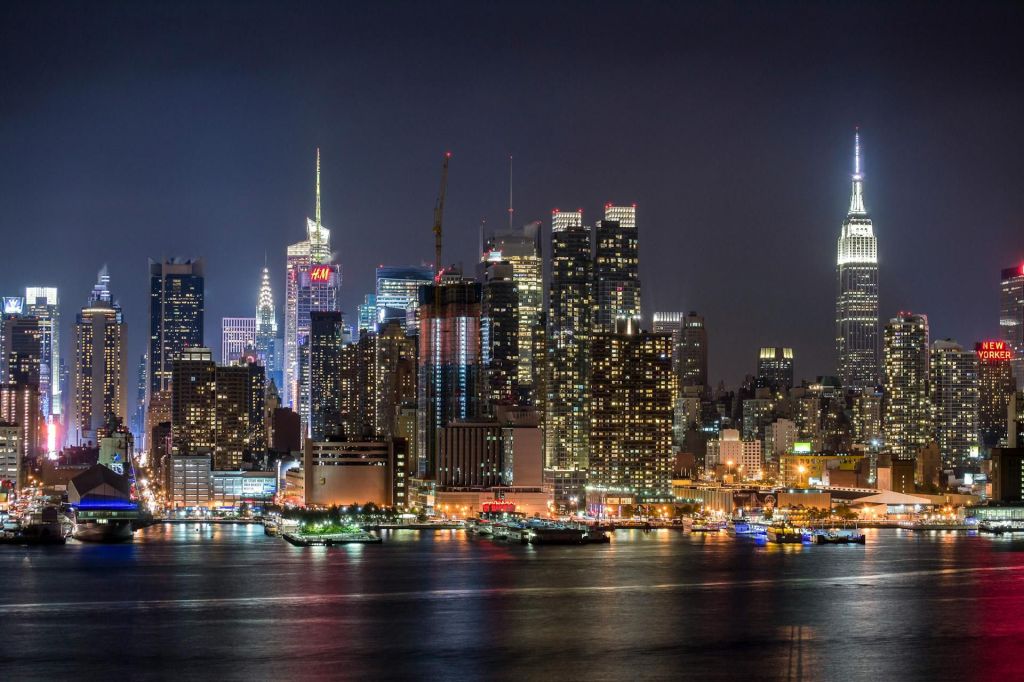
Countries with the most skyscrapers are primarily those with rapid urbanization, high population density, and thriving economies. Here’s a list of countries with the largest number of skyscrapers (buildings 150 meters or taller), based on current statistics:
1. China
Total Skyscrapers: Over 2,900
Major Cities:
Hong Kong
Shenzhen
Shanghai
Guangzhou
Notable Buildings:
Shanghai Tower (632 m)
Ping An Finance Centre (599 m)
Reasons for Dominance:
Massive urbanization.
Government incentives for vertical development.
2. United States
Total Skyscrapers: Over 1,000
Major Cities:
New York City
Chicago
Miami
Notable Buildings:
One World Trade Center (541 m)
Willis Tower (442 m)
Key Factors:
Historical pioneer in skyscraper construction.
Robust financial and business hubs.
3. United Arab Emirates
Total Skyscrapers: Over 300
Major Cities:
Dubai
Abu Dhabi
Notable Buildings:
Burj Khalifa (828 m) – the tallest building in the world.
Princess Tower (413 m).
Contributing Factors:
Oil wealth and tourism investments.
Iconic luxury-focused architecture.
4. South Korea
Total Skyscrapers: Over 300
Major Cities:
Seoul
Busan
Notable Buildings:
Lotte World Tower (555 m).
Reasons:
Dense urban population.
Technological and economic growth.
5. Japan
Total Skyscrapers: Over 250
Major Cities:
Tokyo
Osaka
Notable Buildings:
Abeno Harukas (300 m).
Key Drivers:
Limited land area encouraging vertical development.
Advanced seismic-resistant technology.
6. Canada
Total Skyscrapers: Over 150
Major Cities:
Toronto
Vancouver
Notable Buildings:
CN Tower (553 m – though not technically a skyscraper).
Highlights:
Rapid real estate growth.
Immigration fueling urban demand.
7. Malaysia
Total Skyscrapers: Over 120
Major Cities:
Kuala Lumpur
Notable Buildings:
Merdeka 118 (678.9 m) – second tallest building globally.
Petronas Towers (452 m).
Factors:
Economic growth and government support.
8. Indonesia
Total Skyscrapers: Over 120
Major Cities:
Jakarta
Notable Buildings:
Gama Tower (288 m).
Reasons:
Growing economy and urbanization.
9. Thailand
Total Skyscrapers: Over 100
Major Cities:
Bangkok
Notable Buildings:
Magnolias Waterfront Residences (318 m).
Highlights:
Tourism and economic development.
10. India
Total Skyscrapers: Over 100
Major Cities:
Mumbai
Delhi
Notable Buildings:
Palais Royale (320 m).
Growth Drivers:
Real estate boom and population density.
 Rigid Academy-Building is an Art
Leave a comment