
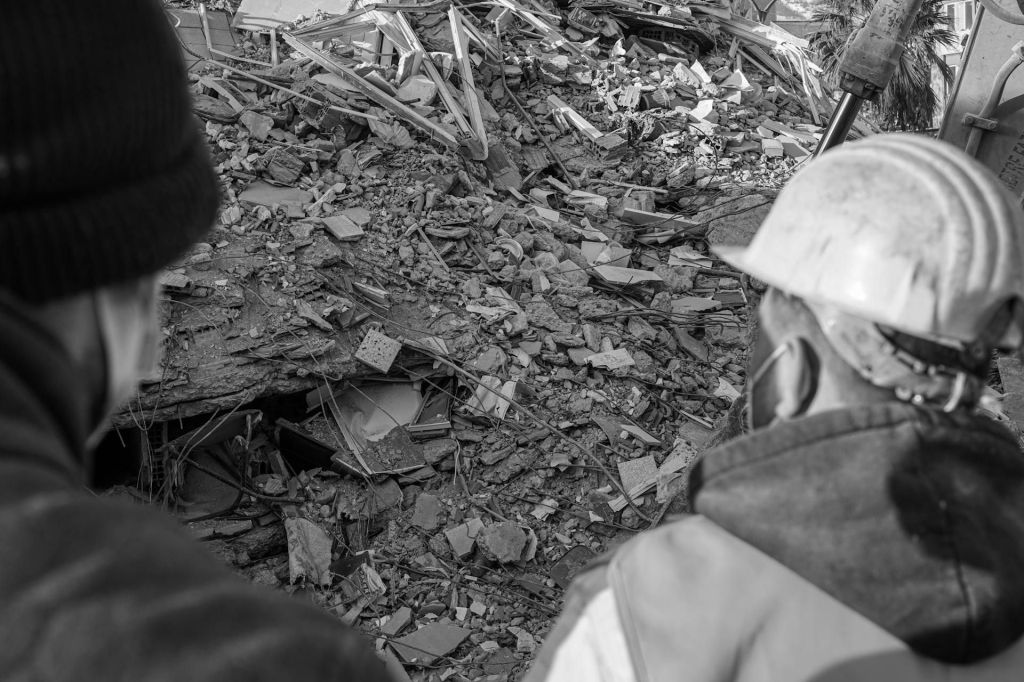
An earthquake isolator, also known as a seismic isolator, is a device installed in buildings and other structures to reduce the impact of seismic activity. Its main function is to decouple a building from ground motion during an earthquake, allowing it to move independently from the ground. This reduces the amount of energy transferred from the ground into the structure, protecting it from severe shaking and minimizing potential damage.
Key Types of Earthquake Isolators
1. Elastomeric Bearings:
These are made of alternating layers of rubber and steel, allowing lateral flexibility. Common types include:
Lead Rubber Bearings (LRB):
These have a lead core, which absorbs energy through plastic deformation, while the rubber layers provide flexibility.
High-Damping Rubber Bearings (HDRB):
These rely on rubber with high damping properties to absorb seismic energy, without a lead core.
2. Sliding Bearings:
These work by allowing horizontal movement during an earthquake.
Friction Pendulum Bearings:
These bearings use a sliding mechanism on a curved surface, allowing the structure to sway gently like a pendulum.
3. Hybrid Isolators:
Combining elastomeric and sliding systems, hybrid isolators are designed for high energy dissipation and movement flexibility.
How Earthquake Isolators Work
An isolator system is typically placed between a building’s foundation and superstructure. When an earthquake occurs, these isolators absorb and redirect seismic energy, preventing it from reaching the building directly. This keeps the upper structure steady, reducing the risk of structural and non-structural damage.
Benefits of Earthquake Isolation in Construction
1. Enhanced Safety:
By reducing building movement, isolators lower the chance of collapse or structural failure, making buildings safer for occupants.
2. Protection for Contents:
Seismic isolators not only protect the structure but also safeguard critical equipment and contents, which is especially important in hospitals, data centers, and other high-value facilities.
3. Reduced Maintenance Costs:
Minimizing structural damage can significantly reduce post-earthquake repair costs, leading to long-term savings.
Applications in Modern Construction
Seismic isolators are increasingly used in high-rise buildings, hospitals, bridges, and other critical infrastructure in earthquake-prone regions. Notable examples include the San Francisco International Airport, the Los Angeles City Hall, and the Salt Lake City & County Building.
Limitations
While earthquake isolators provide valuable protection, they can be costly to install and are often limited to specific types of structures due to space requirements. The effectiveness also depends on proper installation and maintenance.
Earthquake isolators are a vital innovation in earthquake-resistant design, offering a resilient solution for construction in seismic areas.
Materials Of Earthquake İsolators
The materials used in earthquake isolators are carefully selected for their ability to absorb energy, provide flexibility, and withstand the stresses associated with seismic activity. Here are the primary materials commonly used in earthquake isolators:
1. Rubber
Natural Rubber: Known for its high elasticity, natural rubber is commonly used in elastomeric bearings due to its flexibility and durability.
Synthetic Rubber (Neoprene, High-Damping Rubber): Synthetic rubbers are sometimes used to enhance the damping properties, allowing the isolator to dissipate more energy. High-damping rubber bearings (HDRB) are especially popular in seismic isolation for their ability to absorb a large amount of seismic energy.
2. Steel
Reinforcing Steel Plates: Elastomeric isolators usually consist of alternating layers of rubber and steel plates. The steel plates provide strength and help maintain the isolator’s shape under load, preventing it from bulging excessively during seismic movement.
Lead: In lead rubber bearings (LRB), a lead core is inserted in the center of the rubber layers. Lead is a ductile metal that undergoes plastic deformation to dissipate seismic energy, thus adding damping capacity to the isolator.
3. Stainless Steel
Sliding Surfaces: In friction pendulum bearings and other sliding-type isolators, stainless steel is often used to provide a smooth, durable surface for sliding. Its resistance to corrosion and wear ensures the isolator remains effective over time.
4. Polytetrafluoroethylene (PTFE)
PTFE, commonly known as Teflon, is used as a low-friction sliding material in sliding bearings. It allows smooth movement with minimal resistance, facilitating the isolator’s ability to respond to lateral ground motion without significant friction.
5. Composite Materials
Some advanced isolators incorporate composite materials to increase strength, reduce weight, or improve energy dissipation. For example, fiber-reinforced elastomers are sometimes used in place of steel plates to reduce weight while retaining flexibility.
6. Concrete and Foundation Materials
Earthquake isolators are anchored to the building’s foundation, which is typically made from high-strength concrete and other structural materials. These must be robust enough to support the isolator and the structure while accommodating lateral movement.
Material Selection Considerations
The choice of materials in an earthquake isolator depends on factors such as:
Seismic Load Requirements: Higher damping and strength are needed for structures in high-seismic regions.
Building Size and Type: Larger structures may require isolators with a lead core for added damping capacity.
Longevity and Maintenance: Materials like stainless steel and PTFE are chosen for their durability and low maintenance needs.
These materials are essential to the performance and longevity of earthquake isolators, ensuring that they remain functional and effective over decades.
 Rigid Academy-Building is an Art
Leave a comment