
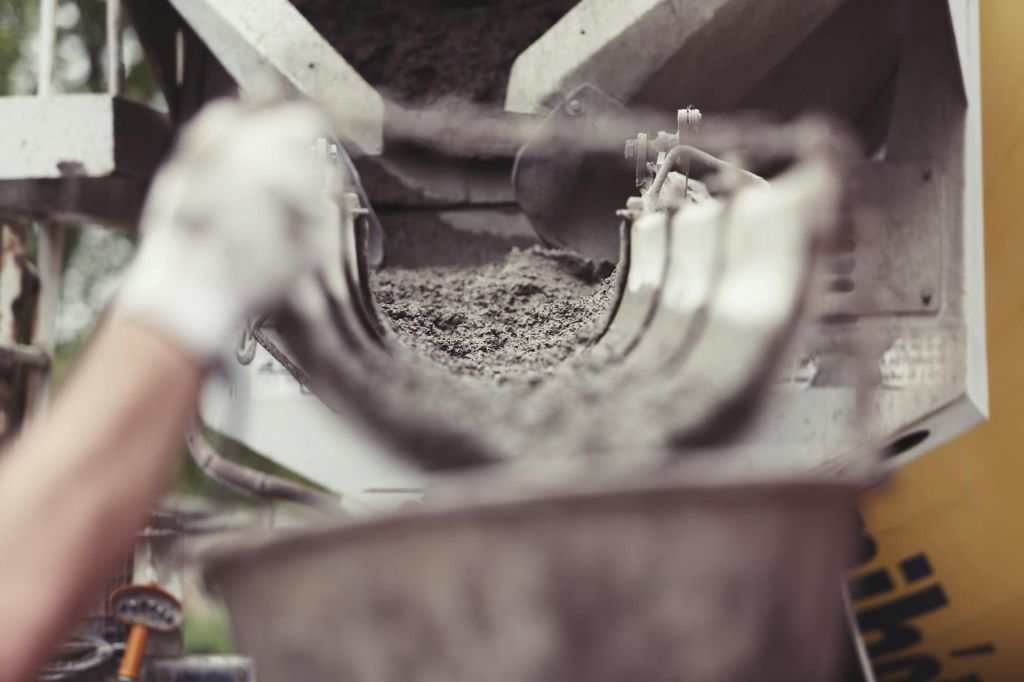
Concrete has a fascinating history, dating back thousands of years and playing a crucial role in shaping modern construction practices. Here’s an overview of its evolution in the construction industry:
Ancient Beginnings
Egypt (3000 BCE): The earliest recorded use of a concrete-like material was by the ancient Egyptians. They used mud and straw mixtures to create a type of early mortar, which bound stones together for constructing the pyramids.
China (500 BCE): The ancient Chinese used a form of concrete containing lime and volcanic ash to build the Great Wall, showcasing an early form of pozzolanic concrete.
Rome (300 BCE – 476 CE): The Romans significantly advanced concrete technology by using volcanic ash, lime, and water to create a durable material known as opus caementicium. Roman concrete is highly resilient, exemplified by structures like the Pantheon, with its massive, unreinforced concrete dome. Roman concrete also contained “pozzolana,” a type of volcanic ash that added strength and durability.
Middle Ages
After the fall of the Roman Empire, the use of concrete declined in Europe. The knowledge was largely lost, and masonry became the dominant building method. However, there were still isolated uses of lime-based mortars and concrete-like substances in specific areas.
Revival and Advancements (1700s – 1800s)
1756: British engineer John Smeaton rediscovered a form of hydraulic lime mortar, which could set underwater, while working on the Eddystone Lighthouse. This material became an early precursor to modern cement.
1824: Joseph Aspdin, an English bricklayer, patented “Portland cement,” named for its resemblance to Portland stone. This innovation marked a turning point for concrete, as it laid the foundation for modern concrete production.
1850s: The invention of reinforced concrete, credited to Joseph Monier, a French gardener, introduced a major improvement by combining concrete with metal reinforcement, which provided tensile strength.
Modern Era (1900s – Present)
Early 20th Century: Advances in concrete technology enabled the construction of iconic buildings and infrastructure, such as skyscrapers, bridges, and dams. The Hoover Dam in the 1930s is a prime example of large-scale concrete construction.
Post-WWII (1945): After the war, there was a global construction boom. Concrete became more popular than ever for both commercial and residential buildings, largely due to its versatility, strength, and cost-effectiveness.
1960s – 1970s: Precast and prestressed concrete became standard practices, enabling greater architectural innovation and rapid construction.
Recent Innovations and Sustainability (2000s – Present)
High-Performance Concrete (HPC): New formulations allow for stronger, more durable concrete that requires less maintenance, ideal for extreme climates and conditions.
Self-Healing Concrete: This innovative material incorporates bacteria or other agents that can “heal” cracks, extending the life of structures.
Eco-Friendly Alternatives: The construction industry increasingly seeks sustainable materials, such as low-carbon and carbon-sequestering concrete options, aiming to reduce the environmental impact of traditional concrete production.
Concrete’s Role Today
Concrete is integral to the modern construction industry. It is one of the most widely used building materials worldwide, valued for its versatility, affordability, and strength. Today, research continues to improve concrete’s performance, reduce its environmental footprint, and expand its applications in futuristic structures. From ancient marvels to high-tech skyscrapers, concrete remains a foundational material in construction.
Future of Concrete
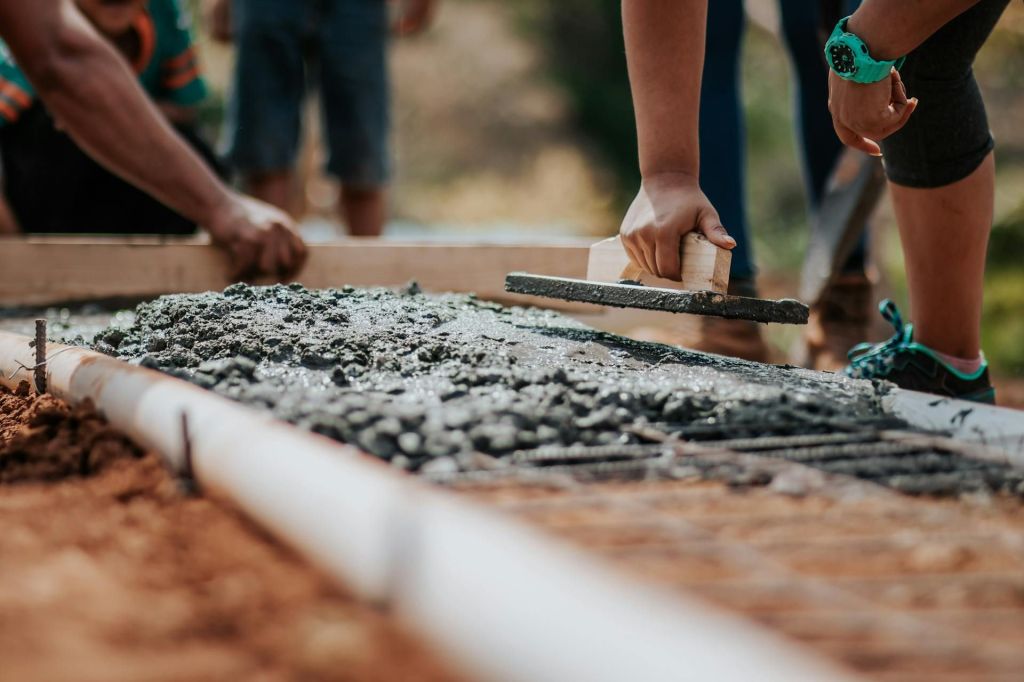
The future of concrete in the construction industry is set to evolve significantly as researchers, engineers, and manufacturers develop new ways to make it stronger, more durable, environmentally friendly, and versatile. Here are some of the key trends and innovations likely to shape the future of concrete:
1. Sustainable and Eco-Friendly Concrete
Low-Carbon Concrete: Traditional cement production contributes significantly to CO2 emissions. Low-carbon alternatives, such as geopolymer concrete and carbon-capturing cement, are gaining traction. These use industrial byproducts like fly ash or ground granulated blast-furnace slag, reducing reliance on traditional cement.
Carbon-Sequestering Concrete: Companies are developing concrete that can absorb CO2 from the atmosphere, effectively turning it into a carbon sink. This concrete type is poised to play a role in carbon-neutral or carbon-negative buildings.
Bio-Concrete: Certain types of concrete incorporate bio-based materials, such as algae or agricultural waste, which can replace some traditional ingredients, leading to a lower environmental footprint.
2. Self-Healing Concrete
Microbial and Chemical Self-Healing: Self-healing concrete incorporates bacteria or chemicals that activate when cracks appear, repairing the damage automatically. This innovation has the potential to greatly reduce maintenance costs, enhance durability, and extend the lifespan of concrete structures.
Polymer-Based Additives: Polymers are also used to self-heal concrete, particularly in high-traffic areas, which face a lot of wear and tear.
3. Ultra-High-Performance Concrete (UHPC)
UHPC is engineered to be much stronger, more flexible, and more durable than traditional concrete. It can withstand extreme conditions, has better resistance to abrasion and corrosion, and allows for thinner structures without sacrificing strength.
Its high performance also means less material is required, which can reduce overall construction weight and support innovative designs.
4. 3D-Printed Concrete
3D-printed concrete is transforming construction by enabling faster, more precise, and cost-effective building processes. Large-scale 3D printers are now able to create entire walls, floors, and even buildings using a concrete-based material.
This technology also supports complex architectural designs, allows for custom shapes, and minimizes waste since only the needed material is printed.
5. Smart Concrete with Embedded Sensors
Embedded sensors in concrete can provide real-time data on temperature, humidity, load, and structural integrity. This “smart concrete” could be instrumental in managing infrastructure, allowing engineers to monitor structures remotely and predict maintenance needs.
Smart concrete is particularly valuable for bridges, high-rise buildings, and other critical infrastructure that requires ongoing monitoring for safety.
6. Recycled and Reusable Concrete
Recycling concrete from demolished structures can reduce waste and lower demand for raw materials. Innovations are emerging in crushing, sorting, and repurposing old concrete as aggregate for new concrete, helping to close the material loop in construction.
Reusable formwork and modular concrete panels are also being used to support circular construction, reducing waste in the construction process.
7. Graphene-Enhanced Concrete
Graphene, a carbon-based material that is exceptionally strong and conductive, is being added to concrete to improve its strength and reduce the quantity of cement needed. Graphene-enhanced concrete.
 Rigid Academy-Building is an Art
Leave a comment