
In the construction industry, wall materials play a crucial role in determining the strength, insulation, aesthetics, and durability of a structure.
Here’s an overview of some commonly used wall materials:
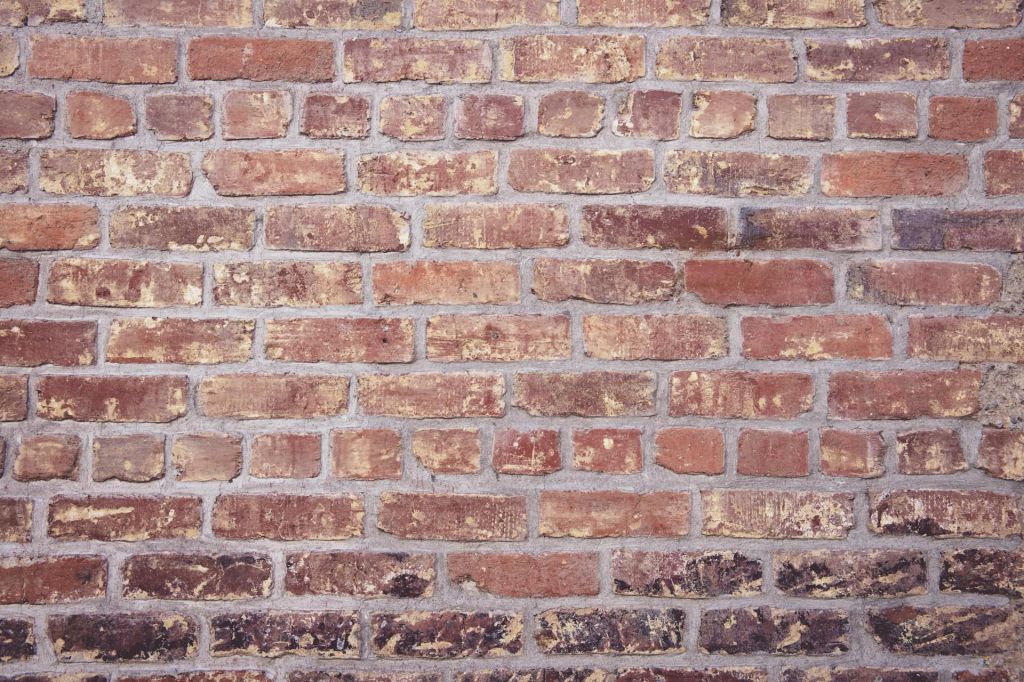
1. Brick

Description: Traditional material made from clay.
Benefits: Strong, fire-resistant, provides good thermal mass, and requires low maintenance.
Common Uses: Used in residential, commercial, and industrial buildings, especially in load-bearing walls.
2. Concrete Blocks

Description: Made from concrete and can be solid or hollow.
Benefits: High compressive strength, durable, and resistant to natural disasters. Provides good thermal and sound insulation when reinforced.
Common Uses: Widely used in commercial and industrial buildings, retaining walls, and basements.
3. Wood
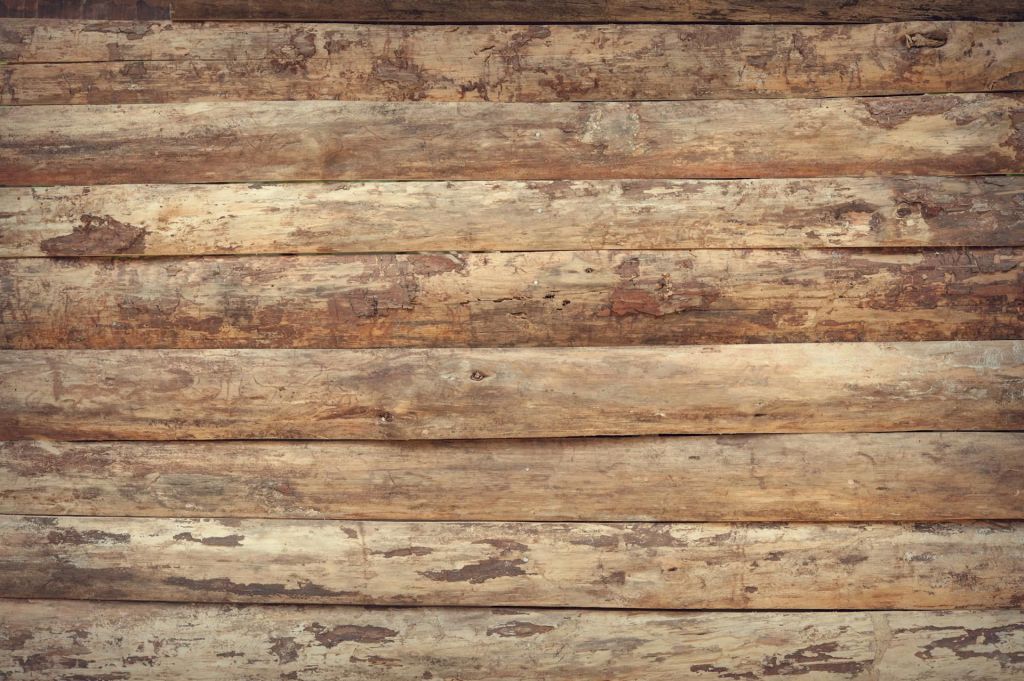
Description: Common material in residential construction, especially in frame walls.
Benefits: Lightweight, easy to work with, renewable, and has good insulation properties.
Common Uses: Used in timber frame construction, exterior, and interior walls of residential homes.
4. Gypsum Board (Drywall)
Description: Made of a gypsum plaster core sandwiched between two sheets of paper.
Benefits: Cost-effective, easy to install, fire-resistant, and provides sound insulation.
Common Uses: Interior walls and ceilings in both residential and commercial buildings.
5. Glass

Description: Transparent or translucent material, often used in curtain walls and facades.
Benefits: Aesthetic appeal, allows natural light, and can be energy-efficient when insulated.
Common Uses: Exterior facades in modern office buildings, storefronts, and residential homes.
6. Stone

Description: Natural material, typically granite, limestone, or sandstone.
Benefits: Extremely durable, fireproof, and low maintenance.
Common Uses: Used in high-end residential and commercial buildings, landscaping, and historical restoration.
7. Steel

Description: Used in prefabricated wall panels or framing systems.
Benefits: High strength, durable, and resistant to weather and pests.
Common Uses: Industrial and commercial structures, especially in high-rise buildings and large factories.
8. Insulated Concrete Forms (ICF)
Description: Forms made of foam that hold concrete in place while curing.
Benefits: High energy efficiency, soundproofing, and durability.
Common Uses: Residential and commercial buildings, especially in areas needing high insulation.
9. Bamboo
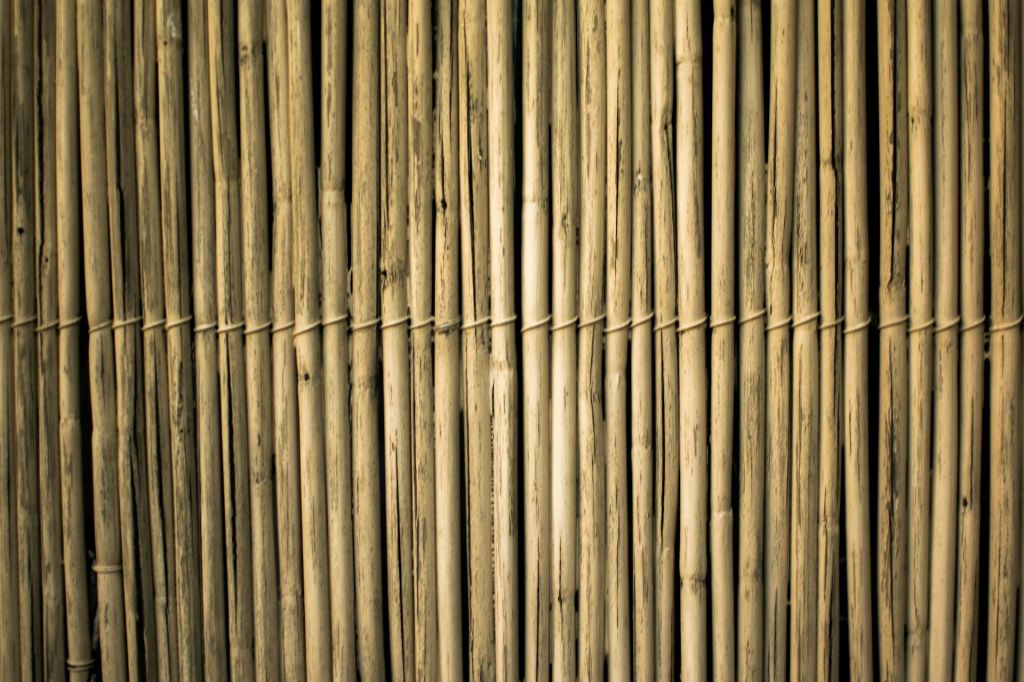
Description: Renewable and sustainable material gaining popularity in eco-friendly construction.
Benefits: Lightweight, strong, and rapidly renewable.
Common Uses: Residential buildings, decorative wall panels, and green construction projects.
10. Straw Bale
Description: Compressed straw bales used as building blocks for walls.
Benefits: Excellent insulation, environmentally friendly, and cost-effective.
Common Uses: Sustainable construction, particularly in eco-homes and low-energy buildings.
11. Autoclaved Aerated Concrete (AAC)
Description: Lightweight, precast concrete blocks made with cement, lime, sand, and aluminum powder.
Benefits: High insulation properties, lightweight, and fire-resistant.
Common Uses: Residential, commercial, and industrial buildings requiring energy-efficient walls.
12. Plaster and Lath
Description: Plaster applied to wooden or metal laths.
Benefits: Strong, offers good soundproofing, and can provide a textured finish.
Common Uses: Older homes and historic buildings, as well as some modern renovations.
Each material has its strengths and is chosen based on the specific requirements of a project, including budget, aesthetics, insulation needs, and structural demands.
 Rigid Academy-Building is an Art
Leave a comment