
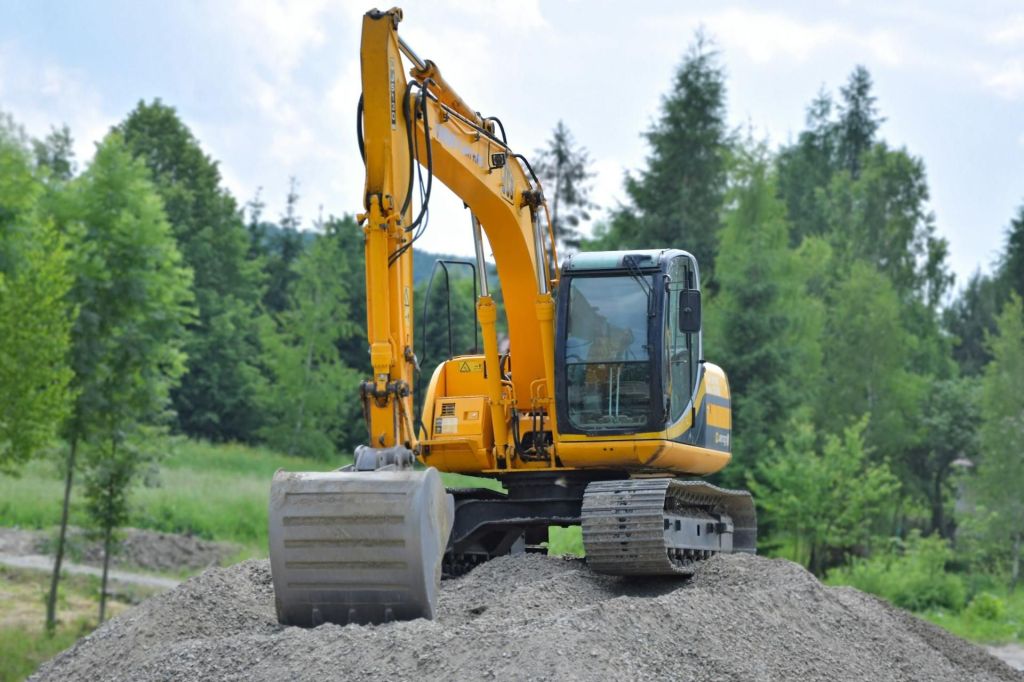
Excavation is a vital component in the construction industry, forming the basis for many infrastructure projects.
The process involves the removal of soil, rock, or other materials to create a cavity or trench. Whether it’s for foundations, utilities, or creating flat surfaces, excavation plays a crucial role in preparing the land for construction.
This overview covers the various types of excavation, the equipment used, methods employed, safety considerations, and environmental impacts associated with excavation in construction sites.
1. Introduction to Excavation
Excavation is one of the first steps in most construction projects, and it requires careful planning and execution. It’s used in a wide range of projects including residential, commercial, and industrial developments. Depending on the scope and purpose of the construction, excavation can vary greatly in scale and complexity. From small-scale house foundations to large-scale infrastructure projects like highways or dams, excavation sets the stage for the construction work that follows.
2. Types of Excavation
Excavation work can be classified into different types, depending on the purpose of the project and the materials that need to be removed. Some common types include:
Topsoil Excavation: This involves removing the uppermost layer of soil, typically containing organic material and vegetation. This is necessary to clear the land and prepare a stable surface for construction.
Earth Excavation: This type involves the removal of soil located beneath the topsoil. It’s common in the preparation of foundations and other structural elements that require a stable base.
Rock Excavation: In areas where the ground consists of rock, excavation becomes more complex. Blasting or the use of specialized machinery like jackhammers may be required to break through the rock.
Muck Excavation: Muck consists of soil mixed with water, creating a soft, unstable material. Excavation in such conditions requires special considerations to remove the material effectively and stabilize the area.
Trench Excavation: Often used for installing pipes, cables, and drainage systems, trench excavation involves digging narrow but deep excavations. This type requires particular attention to safety, as the walls of the trenches can be prone to collapse.
3. Excavation Methods
The method of excavation chosen for a construction site depends on several factors, including the type of project, the soil or material to be excavated, and the conditions of the site. Here are some of the common methods used:
Manual Excavation: This involves using hand tools such as shovels, picks, and spades. Manual excavation is typically limited to small-scale projects or areas where machinery cannot access. It’s a slower and labor-intensive process but can be essential in confined spaces or delicate excavation areas.
Mechanical Excavation: In larger projects, heavy machinery is used to remove soil and rock quickly and efficiently. Common equipment includes bulldozers, excavators, backhoes, and trenchers. Mechanical excavation is the preferred method for large-scale or deep excavation projects because it allows for faster completion and greater precision.
Hydro Excavation: This non-destructive method uses pressurized water to break up the soil, which is then vacuumed up. Hydro excavation is particularly useful when working near underground utilities because it reduces the risk of damaging pipes, cables, or other infrastructure.
Blasting: In rock excavation, blasting may be necessary to break up solid rock formations. Controlled explosions using explosives are used to fragment the rock, making it easier to remove. Blasting requires specialized expertise and is strictly regulated due to safety concerns.
4. Equipment Used in Excavation
Excavation work relies on specialized equipment to handle the various materials and conditions found on a construction site. Here are some of the most commonly used machines:
Excavators: These are versatile machines used for digging, lifting, and moving large amounts of material. Excavators can be equipped with different attachments, such as buckets, hydraulic hammers, and augers, depending on the task at hand.
Bulldozers: Primarily used for pushing large amounts of soil, bulldozers are powerful machines that can help shape the land and create level surfaces.
Backhoes: These are smaller, more flexible machines that combine a digging bucket and a loader bucket. They are often used for smaller excavation jobs or where more maneuverability is needed.
Trenchers: These machines are specifically designed for digging trenches. They are commonly used in projects where pipes, cables, or drainage systems need to be laid.
Dump Trucks: Excavated material needs to be transported off-site or to another location on the construction site. Dump trucks are used to haul away soil, rock, and debris.
5. Safety Considerations in Excavation
Excavation work presents several safety risks, including the potential for cave-ins, equipment accidents, and exposure to hazardous materials. Ensuring a safe work environment during excavation is critical, and several safety practices must be adhered to.
Shoring and Bracing: To prevent cave-ins, especially in deep excavations or trenches, shoring systems are used to support the sides of the excavation. Braces and supports can be made from steel, wood, or other materials.
Sloping and Benching: Another method to prevent collapses is sloping or benching the sides of the excavation. Sloping involves cutting the walls of the excavation at an angle to reduce the risk of collapse, while benching creates stepped levels within the excavation.
Utility Location: Before excavation begins, it is essential to locate any underground utilities such as gas lines, electrical cables, or water pipes. Damaging these utilities can lead to dangerous accidents, delays, and costly repairs.
Water Control: Excavation sites are often affected by water, whether from rain, groundwater, or nearby bodies of water. Proper drainage systems must be in place to prevent water accumulation, which can weaken the walls of the excavation and increase the risk of collapse.
6. Environmental Considerations
Excavation work can have significant environmental impacts, and construction companies are increasingly required to take steps to minimize these effects. Here are some of the key environmental considerations:
Erosion Control: Removing large amounts of soil can lead to erosion, which can damage surrounding ecosystems and infrastructure. Erosion control measures, such as silt fences, retaining walls, and planting vegetation, are often necessary to prevent soil displacement.
Groundwater Management: Excavation can disrupt natural water flow, potentially lowering groundwater levels or causing contamination. Dewatering systems, which remove excess water from the excavation site, are often needed to manage this risk.
Site Restoration: Once excavation work is complete, restoring the site to its natural state (or better) is often a requirement. This may include replanting trees, stabilizing slopes, or creating new habitats for local wildlife.
7. Challenges in Excavation
Excavation projects come with a range of challenges, from unforeseen ground conditions to the impact of weather. Some common challenges include:
Soil Conditions: Different types of soil—such as clay, sand, or silt—respond differently to excavation. Sandy soils may be prone to collapse, while clayey soils can retain water and become difficult to work with.
Weather Conditions: Rain can saturate the ground and make excavation hazardous, while freezing temperatures can harden the soil, making it more difficult to dig.
Access and Depth: Deep excavations or those in confined spaces require more careful planning and may necessitate additional safety measures such as ventilation or reinforced walls.
8. Conclusion
Excavation is an essential part of most construction projects, requiring a blend of planning, skilled labor, and specialized equipment.
Whether it’s creating foundations for buildings, laying utility lines, or preparing land for infrastructure, excavation work sets the groundwork for everything that follows.
Given the inherent risks and environmental impacts, construction companies must adopt best practices for safety and sustainability.
Proper execution of excavation work not only ensures the stability and success of the project but also helps protect the environment and the workers involved.
 Rigid Academy-Building is an Art
Leave a comment