
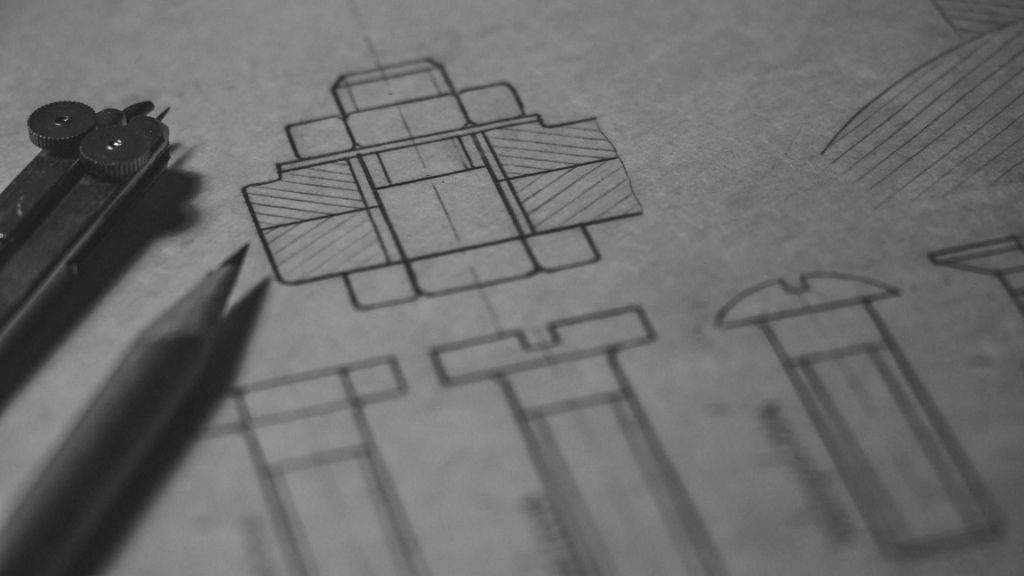
Preconstruction organization is a critical phase in any construction project, laying the groundwork for successful execution and completion. This phase involves detailed planning, coordination, and communication among stakeholders to ensure the project runs smoothly and on time. Here’s an overview of key elements in preconstruction organization:
1. Initial Planning and Feasibility
The first step in preconstruction is assessing the project’s feasibility. This involves defining the project scope, setting objectives, and analyzing the site. Developers, architects, and engineers work together to ensure the design aligns with the project’s goals. Factors like environmental regulations, zoning laws, and land surveys are also examined to avoid potential roadblocks.
2. Budgeting and Cost Estimation
Accurate budgeting is essential in the preconstruction phase. Contractors work closely with clients to develop a realistic cost estimate, taking into account materials, labor, permits, and other expenses. This process often involves value engineering, where alternative materials or methods are considered to reduce costs without sacrificing quality.
3. Scheduling
Preconstruction also involves developing a detailed project schedule. This includes setting key milestones, determining deadlines for various stages, and coordinating the availability of resources, including materials and labor. A well-organized schedule helps prevent delays during construction.
4. Risk Management
Identifying and mitigating risks is another crucial aspect of preconstruction organization. This includes evaluating potential challenges such as weather conditions, supply chain disruptions, and safety concerns. Risk management plans should be developed to minimize the impact of these factors on the project timeline and budget.
5. Permits and Approvals
Before construction can begin, all necessary permits and approvals must be secured. This can be a time-consuming process, depending on the location and complexity of the project. Preconstruction teams coordinate with local authorities to ensure all documentation is in place to avoid legal issues later on.
6. Contractor Selection
Choosing the right contractors is vital for the project’s success. During preconstruction, project owners often solicit bids from contractors and subcontractors. The selection process involves evaluating their qualifications, experience, and proposed costs. Collaboration between the client, architect, and general contractor helps ensure the right team is in place.
7. Coordination and Communication
Successful preconstruction requires clear communication between all parties involved. Regular meetings between clients, architects, engineers, and contractors help align expectations and resolve any issues before construction starts. This coordination is key to preventing misunderstandings and ensuring a smooth transition from preconstruction to construction.
8. Procurement Planning
Early procurement of long-lead materials is often a part of preconstruction. Identifying and ordering materials that may take time to arrive ensures they are on-site when needed, preventing project delays. Contractors and procurement teams also work to secure the best prices during this phase.
9. Sustainability Considerations
Many modern construction projects incorporate sustainability initiatives. Preconstruction organization includes evaluating energy-efficient materials and designs, assessing environmental impact, and considering green building certifications such as LEED.
Conclusion
Preconstruction organization is foundational to the overall success of a construction project. By investing time and effort in this stage, potential issues can be identified and addressed early, leading to a more efficient and cost-effective construction process. Effective planning, communication, and coordination in preconstruction set the stage for a smooth execution phase and a successful project outcome.
 Rigid Academy-Building is an Art
Leave a comment