
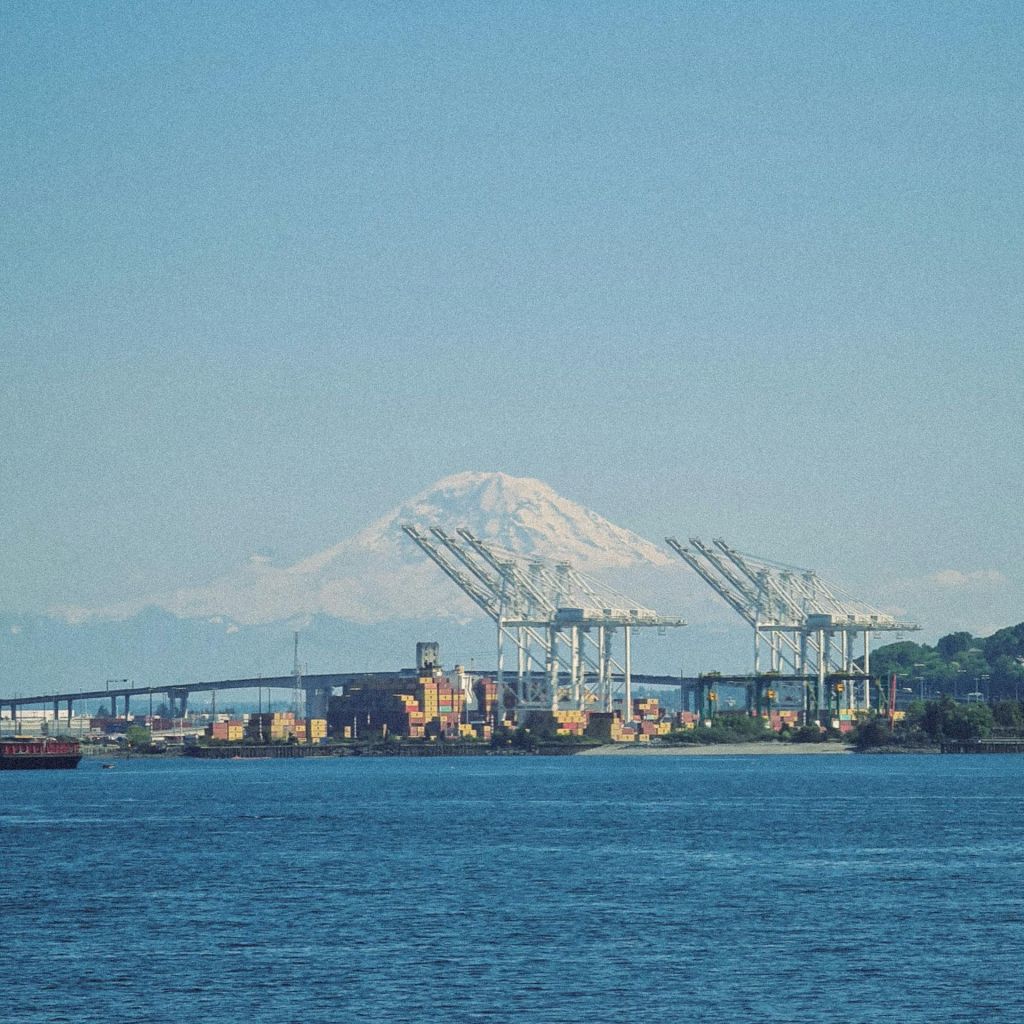
Marine construction is a specialized field that involves the planning, design, and execution of projects in the marine environment.
This encompasses a wide range of activities, from building offshore platforms and bridges to constructing harbors and coastal defenses.
Key Areas of Marine Construction:
- Offshore Oil and Gas: This sector is a major driver of marine construction, with the building of offshore platforms, pipelines, and other infrastructure essential for extracting and transporting oil and gas.
- Renewable Energy: As the world shifts towards cleaner energy sources, marine construction plays a crucial role in the development of offshore wind farms, tidal power plants, and wave energy devices.
- Coastal Infrastructure: Protecting coastlines from erosion and storms is a vital task, and marine construction techniques are used to build seawalls, breakwaters, and other coastal defenses.
- Ports and Harbors: To facilitate trade and commerce, marine construction is involved in the design and construction of ports, harbors, and shipping channels.
- Submarine Cables: Communication and power cables laid beneath the sea are essential for global connectivity. Marine construction techniques are used to install and maintain these cables.
Challenges and Considerations: - Harsh Environment: The marine environment is characterized by strong currents, tides, and corrosive saltwater. Construction projects must be designed and executed to withstand these challenging conditions.
- Complex Engineering: Marine construction often involves complex engineering challenges, such as soil mechanics, hydrodynamics, and structural design.
- Environmental Impact: Marine construction projects can have significant environmental impacts, including habitat destruction and pollution. It is essential to consider these impacts and implement measures to minimize harm.
- Safety: Working in the marine environment poses unique safety risks, such as drowning, equipment failure, and exposure to hazardous materials. Safety is a paramount concern in marine construction.
Advancements in Marine Construction: - Technology: Advances in technology have revolutionized marine construction. Remotely operated vehicles (ROVs), drones, and advanced software are used to improve efficiency, safety, and environmental protection.
- Materials: New materials, such as high-strength steel and composite materials, are being developed to enhance the durability and performance of marine structures.
- Sustainable Practices: There is a growing emphasis on sustainable marine construction practices, including the use of renewable materials, energy-efficient designs, and pollution prevention measures.
Marine construction is a dynamic and essential field that plays a vital role in supporting economic growth, energy security, and coastal protection. As technology continues to advance and environmental concerns become more pressing, the industry will need to adapt and innovate to meet the challenges of the future.
 Rigid Academy-Building is an Art
Leave a comment