
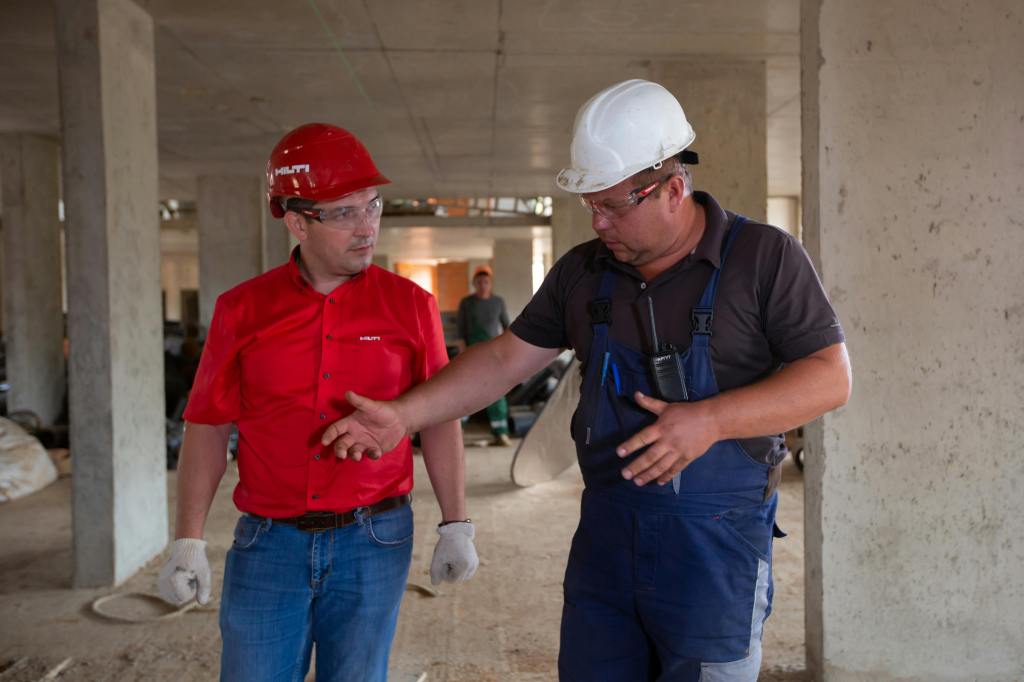
Safety codes in the construction field are sets of regulations and guidelines designed to protect workers and the public from hazards associated with construction activities. These codes often address issues such as:
Fall protection: Preventing falls from heights.
Scaffolding: Ensuring safe use and construction of scaffolds.
Excavation: Preventing cave-ins and other hazards during excavation.
Electrical safety: Protecting workers from electrical hazards.
Hazardous materials: Handling and storing hazardous materials safely.
Personal protective equipment (PPE): Requiring workers to wear appropriate safety gear.
Emergency procedures: Establishing emergency response plans.
Key Organizations and Codes:
Occupational Safety and Health Administration (OSHA): In the United States, OSHA is the primary agency responsible for enforcing workplace safety regulations, including those in the construction industry.
International Labor Organization (ILO): The ILO develops international labor standards, including those related to workplace safety and health, which can be adopted by countries worldwide.
National Building Codes: Many countries have national building codes that incorporate safety requirements for construction projects.
Common Safety Practices:
Hazard identification and risk assessment: Identifying potential hazards and assessing their risks.
Safe work procedures: Developing and implementing procedures to minimize risks.
Training and education: Providing workers with training on safety procedures and equipment.
Inspection and maintenance: Regularly inspecting equipment and facilities to ensure they are safe.
Emergency response planning: Developing and practicing emergency response plans.
Additional Resources:
* OSHA: https://www.osha.gov/
* International Labor Organization: https://www.ilo.org/
* National Building Codes: Consult your local building authority for information on specific codes in your area.
 Rigid Academy-Building is an Art
Leave a comment