
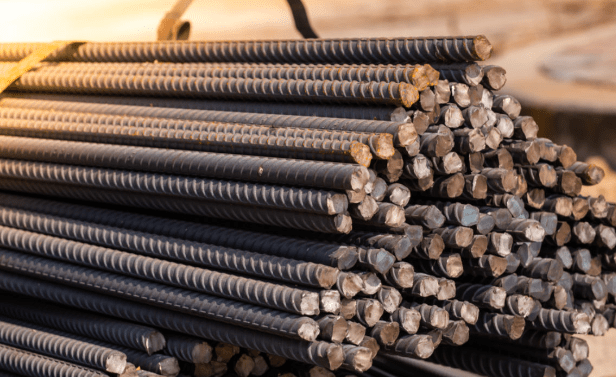
Rebars, short for reinforcing bars, are steel bars used in concrete structures to enhance their tensile strength. Concrete is strong in compression but weak in tension, meaning it can resist being pushed together but not pulled apart. Rebars, when embedded in concrete, provide the necessary tensile strength to prevent the concrete from cracking or failing under stress.
How Rebars Work
Bonding: Rebars have a ribbed surface that creates a mechanical bond with the concrete. This bond helps to transfer stresses between the steel and the concrete.
Reinforcement: When a structure is subjected to tensile forces, the rebars take on the majority of the load, preventing the concrete from cracking or failing.
Durability: Rebars also contribute to the durability of concrete structures. They can help to resist corrosion and other forms of deterioration.
Types of Rebars
While there are many types of rebars available, the most common types include:
Carbon steel rebars: These are the most common type of rebar and are made from carbon steel. They are available in various grades and sizes.
Deformed rebars: These rebars have a deformed surface that enhances their bond with the concrete.
Epoxy-coated rebars: These rebars are coated with epoxy to provide additional corrosion protection.
Glass fiber-reinforced polymer (GFRP) rebars: These are non-metallic rebars that are often used in applications where corrosion is a concern.
Applications of Rebars
Rebars are used in a wide range of construction applications, including:
* Foundations
* Slabs
* Beams
* Columns
* Walls
* Bridges
* Tunnels
In essence, rebars are a critical component of reinforced concrete structures, providing the necessary strength and durability to ensure their safety and longevity.
 Rigid Academy-Building is an Art
Leave a comment